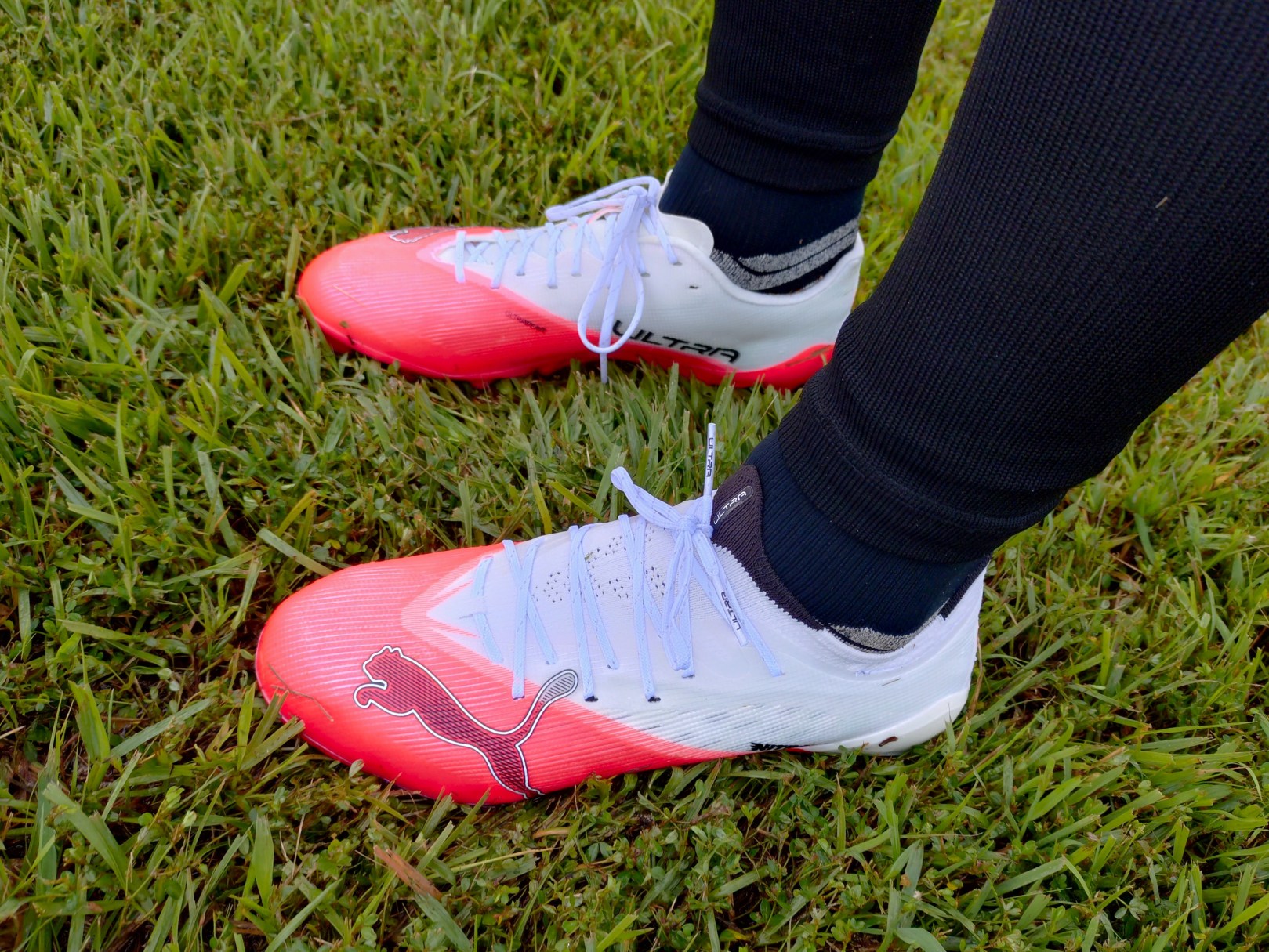
Back on solid footing
Puma has struggled with its boots over the past several years, aside from the excellent King Mirai series, which is sadly gone. With the launch of the King 20 Ultimate, it seemed like things started to turn a corner. The Puma Ultra 7 Ultimate continues this trend by giving us a good update with a lot of quality-of-life tweaks. For this review, I brought in both the firm ground and hard ground models, as no one really reads the HG reviews on their own. In a year of a lot of excellent speed boot releases, Puma had to up their game to keep up. And they have, to a point.
Fit and feel
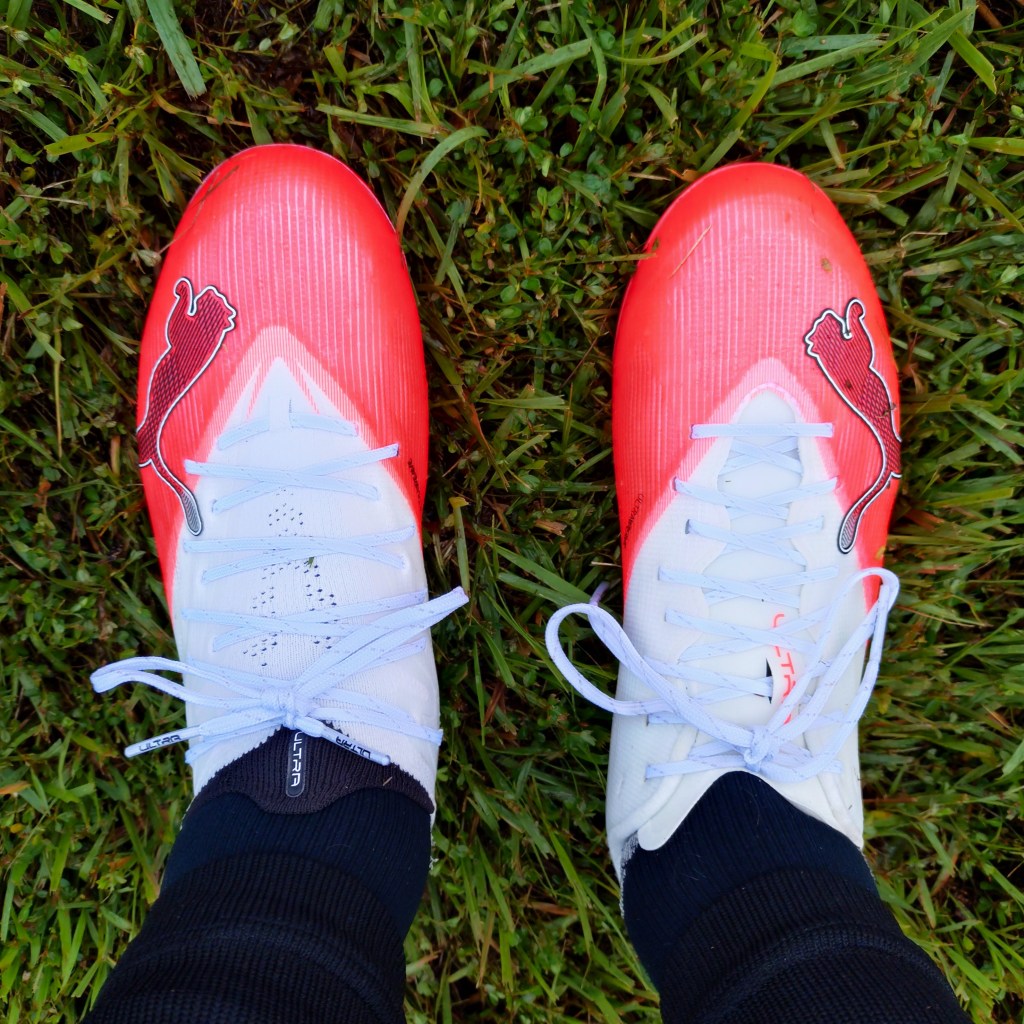
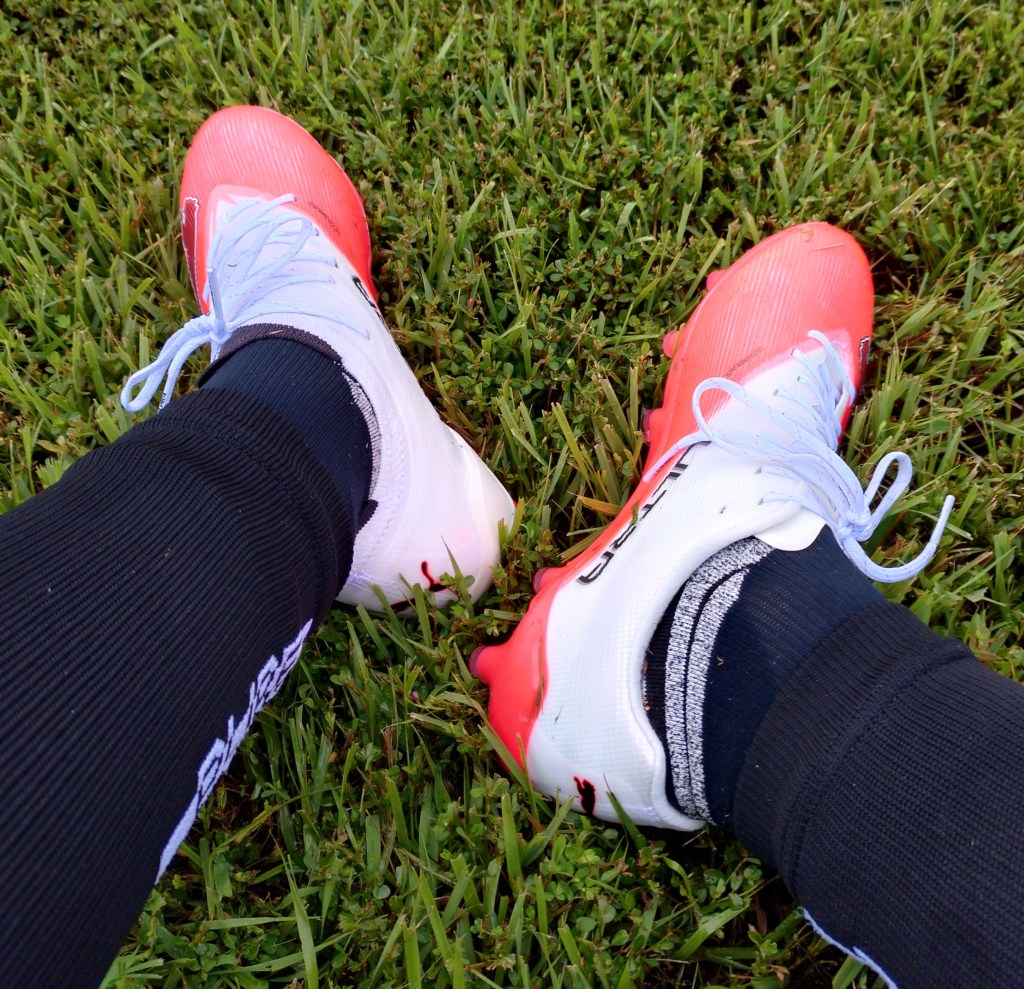
Things don’t start great, as the upper of the Ultra 7 is stiffer than a lot of speed boot releases out of the box. Perhaps we have been spoiled by boots like the F50 Hyperfast, but I personally wish that Puma worked a bit more on the out-of-the-box softness. This goes for both the HG and FG.
It is because of this stiffer upper that the break-in period is longer than a lot of other speed boots, even the Mercurial Superfly 11. After a couple of 45-minute sessions, the boots felt broken in and ready to go.
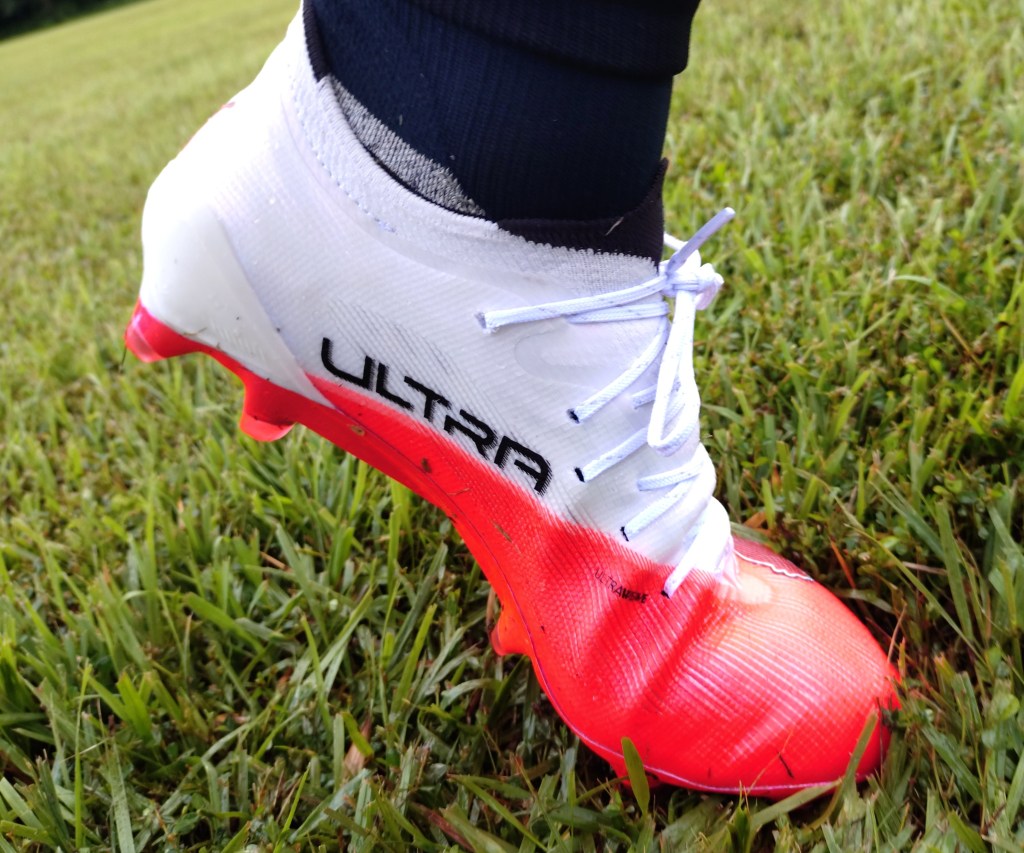
However, because of the extra cushioning in the forefoot, the boots don’t feel uncomfortable during this break-in period. So, while the upper itself is stiffer than other speed boots, the extra bit of cushioning in the forefoot means that the break-in process feels easier than you would expect.
And one of the benefits of a stiffer upper is that the side to side stability is really good – better than I was expecting. When making hard cuts and quick dashes the foot does not feel like it is rolling over, and I do appreciate that added stability in the midfoot especially.
Of course, the stability would be pointless if the lockdown wasn’t great, but the lockdown through the foot is really good, and I personally think it’s better than what’s on offer from Nike, especially the FG version of the Ultra 7. The one-piece upper is maybe a little overly snug out of the box, but fortunately there is enough stretch to the knit to allow the foot a little bit of breathing room.
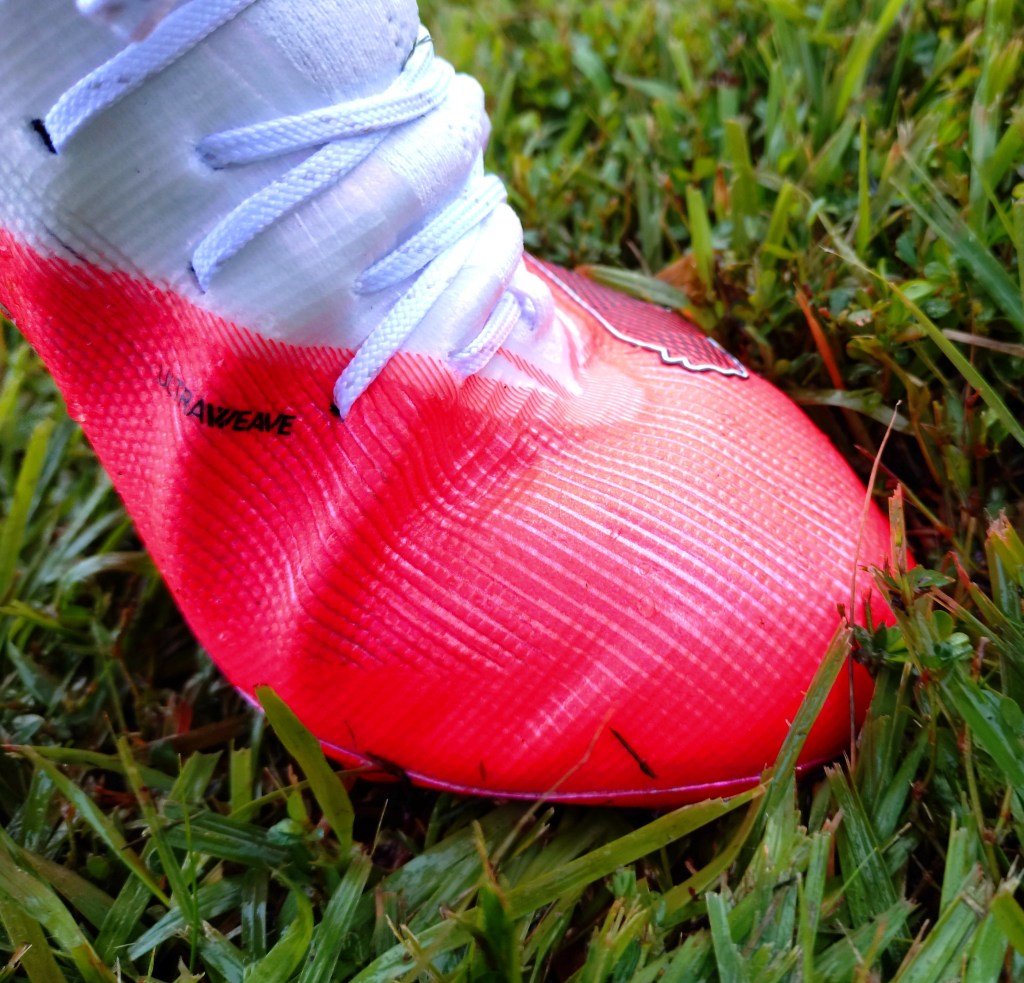
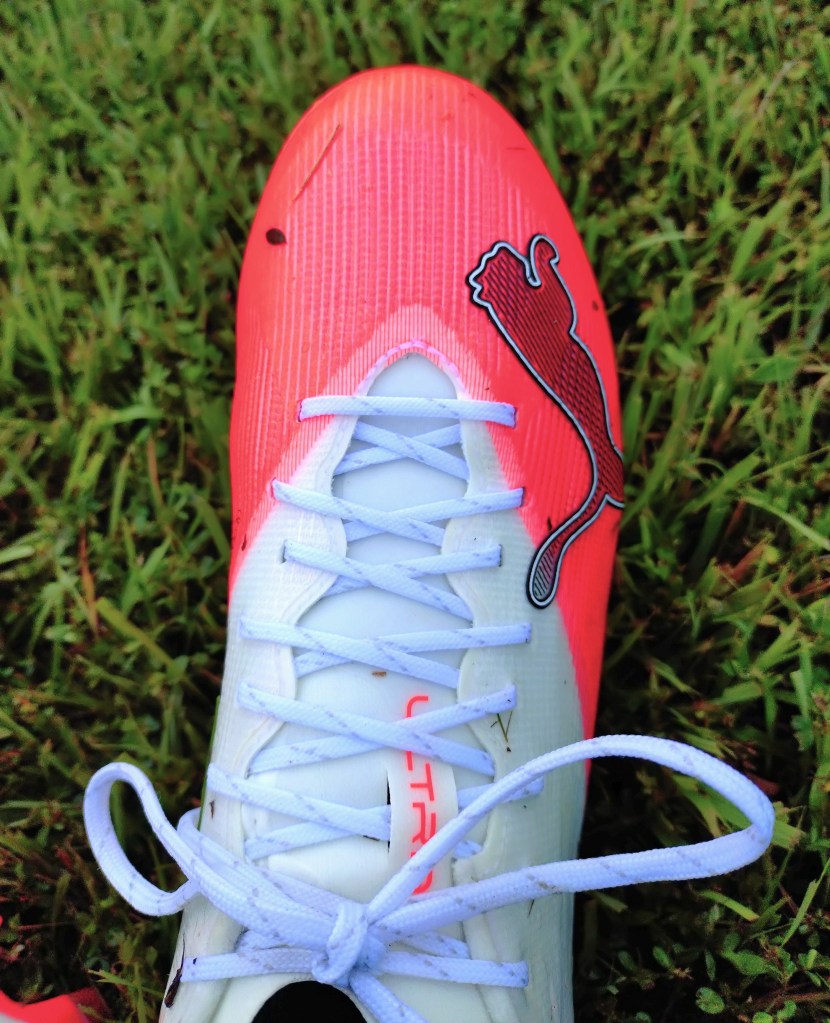
As good as the lockdown is in the FG version, I personally feel the HG version’s lockdown is even better. This is partially because the HG model does have a floating tongue, but it also has a deeper lacing system than the FG, so there is more adjustability to the fit, and this is especially helpful to get that little more lockdown towards the forefoot.
The FG model could probably be too snug in the width if your feet are overly wide, but the HG model will fit a lot of foot types with not many issues.
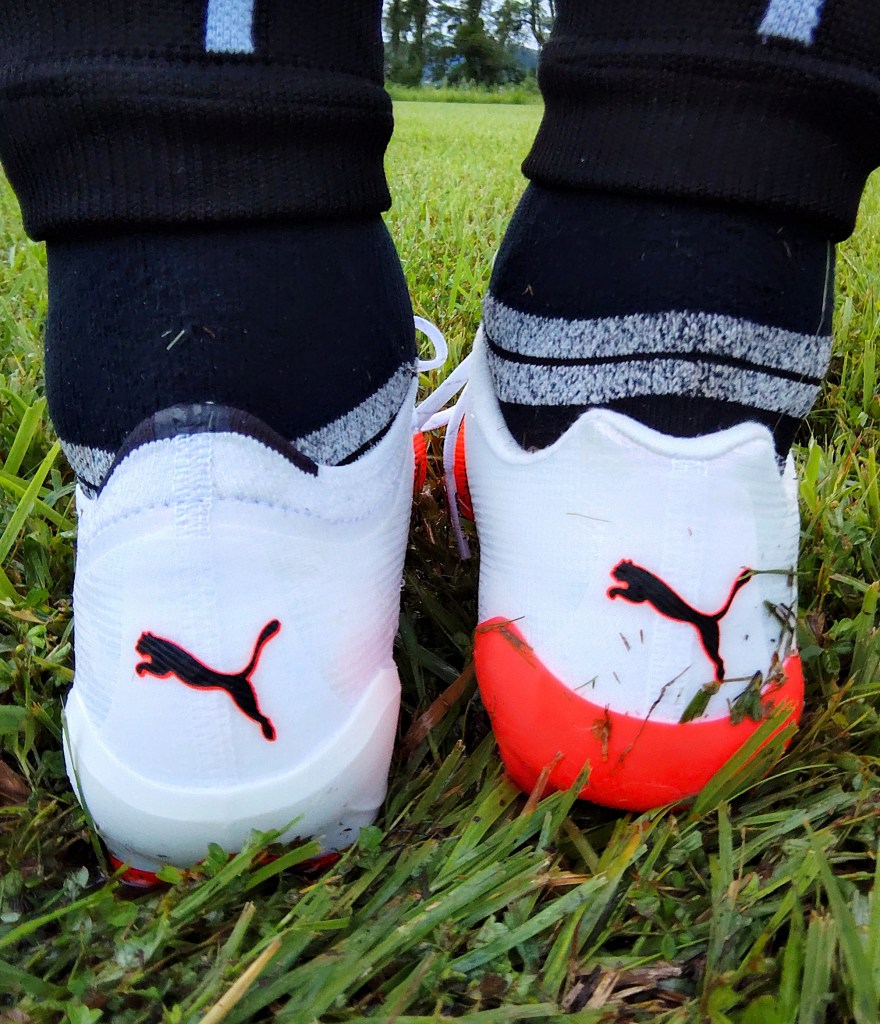
Another difference between the two models is the heel area. I am actually pleased with the heel on the FG model. There is not as much cushioning as I would normally want; the shape and the flexibility of the materials mean it fits nicely. However, the HG version has a lovely stitch-and-turn heel that has a good amount of cushioning and is very comfortable. There are even some (in my opinion) unnecessary grip elements in the heel area. The faux suede lining they use for the HG is also nice.
This does mean that the heel is bulkier in the HG model, but I don’t personally mind that as I like the extra comfort; some people may prefer the more slimmed-down and speed-boot like heel that the FG has.
Going back to the extra cushioning in the forefoot, while it does provide additional comfort, and I think a lot of people would appreciate that in a speed boot, I do feel that it internally makes the boots feel closer to a control boot. However, because of the bulkier nature of the heel area in the HG model, that cushioned forefoot does feel like a suitable addition to the boot. It is just a bit weird to me to include something like this on a speed boot.
However, it does remind me of another speed (ish) boot, the ASICS Acros 3 Pro. Like the Ultra 7, the Acros 3 Pro has some cushioning in the forefoot and also has a stiffer upper than many other boots on the market. But both boots’ break-in periods aren’t much of a bother because of that added comfort. And considering how much I love the Acros 3 Pro, this is high praise.
Another part of the boot I really like and enjoy is the Nitro foam in the midsole. It makes the boot have a very comfortable ride, and it is basically what Nike should have done with their Air Zoom tech in the previous-generation Mercurial.
The amount of Nitro foam is more substantial than what other companies have done with their running foam, and there is no stud pressure at all. And especially in the HG model, it makes the Ultra 7 one of the most comfortable speed boots on the market.
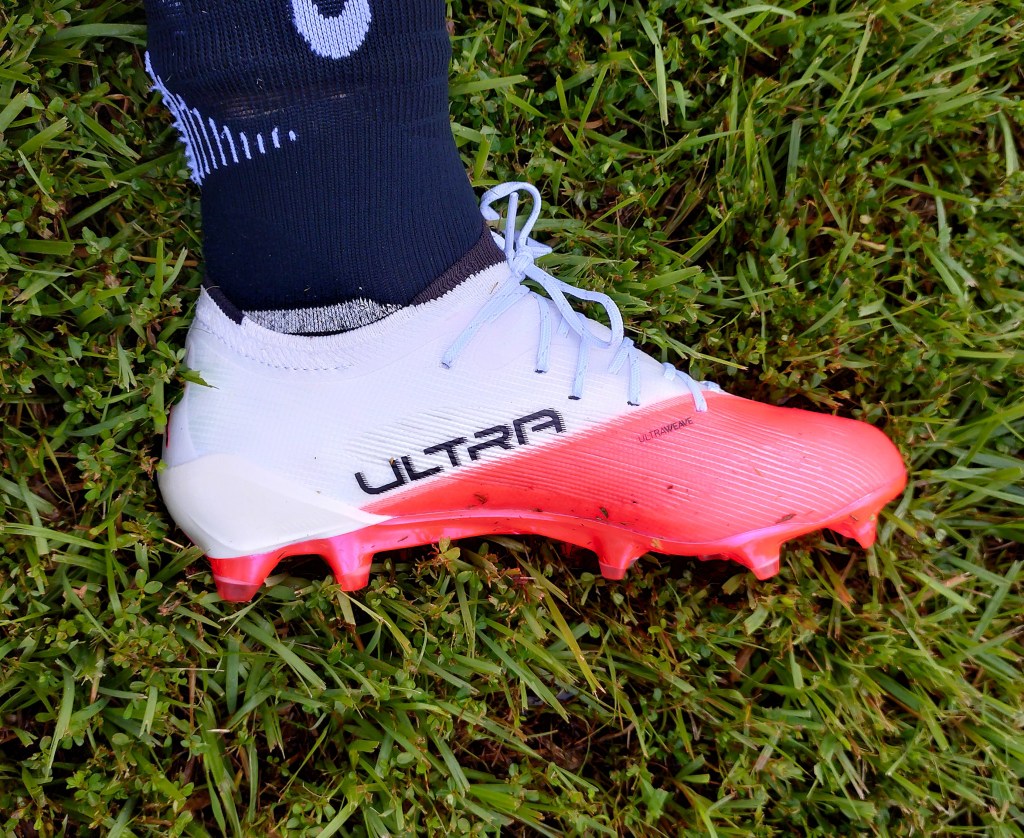
I also want to give a lot of credit to the Puma design and development teams, because as much Nitro foam as is packed into the boot, it is not visually noticeable from the outside, and on the inside the boot does not feel bulky.
For the sizing, it is weird. While I went with my normal US 8.5/UK 7.5/EU 41/JP 26.5, in the FG I can barely get away with it as the toe area is quite snug because of the added foam. Most people should probably try a half size up, especially if you normally don’t have much space in other boots. For the HG however, the boots run half a size long. So, I would personally prefer a US 8/UK 7/EU 40.5/JP 26 for the HG. So, half up in the FG, half down in the HG.
On the ball
That additional foam in the forefoot does affect the touch on the ball. This naturally means the foot is not as close to the ball as other speed boots on the market. And while there is not a razor-sharp feel on the ball, the touch does not feel deadened. It is still really nice, but much closer to what you would expect from a mid-2010’s control boot.
On the flip side, the foam feels nice when controlling a long ball or bringing a ball down from out of the air. Volleys also feel fairly satisfying too. There is no pingy sensation like other speed boots, but again, I think some people might prefer that bit more cushioning on offer here.
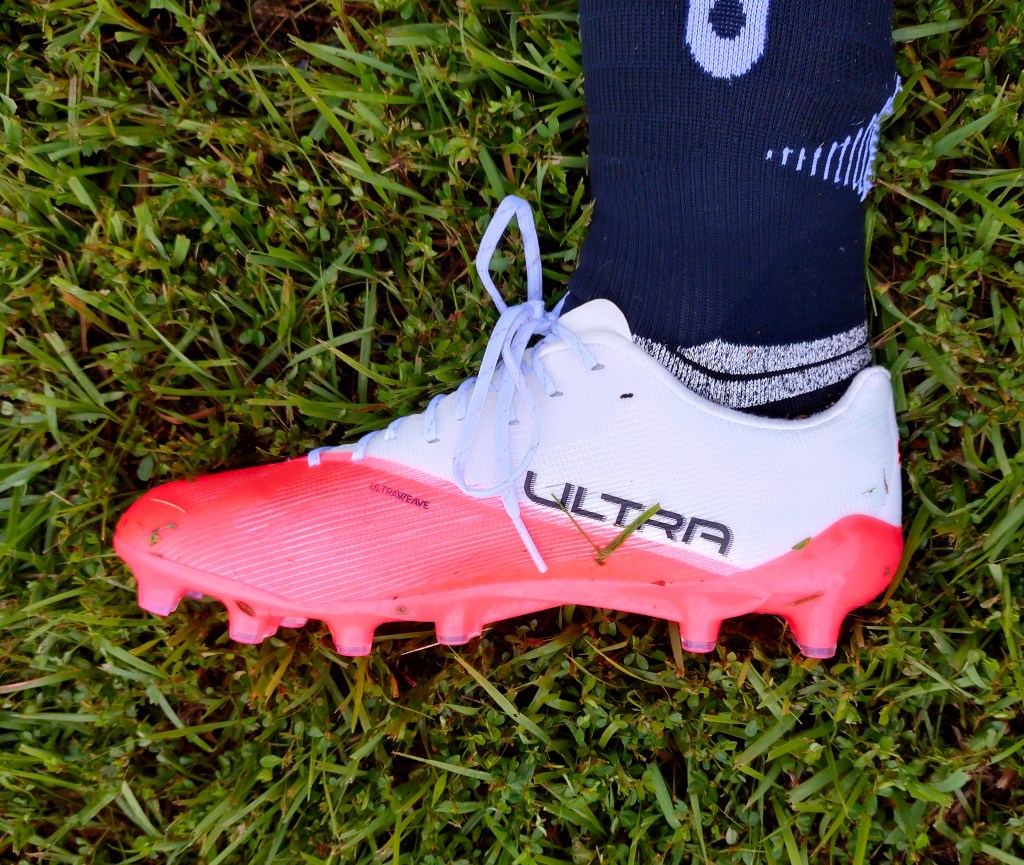
Additionally, the upper has a nice bit of grip on it that allows for a little bit extra on the ball when playing in the wet. It is not as grippy as a GripKnit upper, but there is enough grip there to be noticeable. What is bizarre is the raised Puma logo on the outside of the foot, in the area that many people use for dribbling the ball. I don’t see the point of adding a 3D logo when the upper is already grippy. I don’t really notice it when playing; it is just a weird choice.
Grip
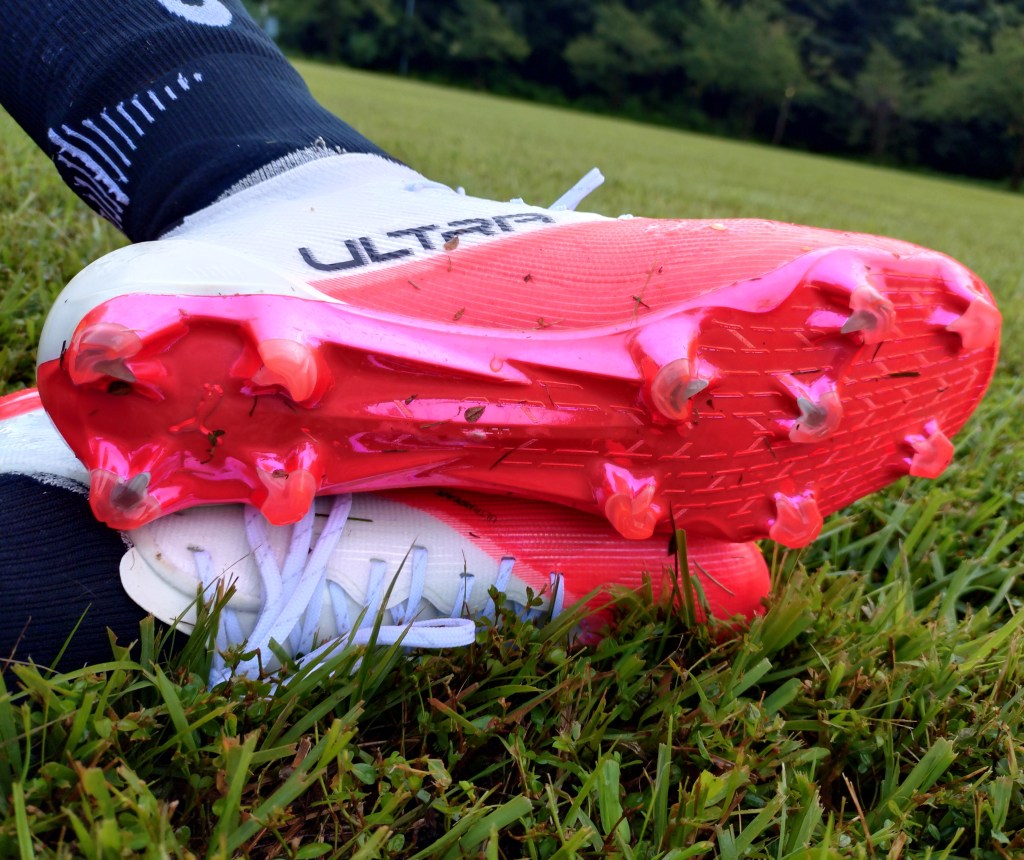
The FG soleplate is obviously far more aggressive of the two outsoles, and there is some good grip on offer. I would not recommend the FG for AG surfaces as the studs are far too aggressive. On slightly harder ground, the FG soleplate still works well because of the Nitro foam midsole that gets rid of the stud pressure. It is pretty easy to pivot in the boots as well, and I’d say it has about an average amount of springback.
At the same time, while the Nitro foam is supposed to help with energy return, I can’t say I really notice it doing anything like that when playing. Again, I love the addition of the Nitro foam, I just don’t think the forefoot functions in the way they planned it to.
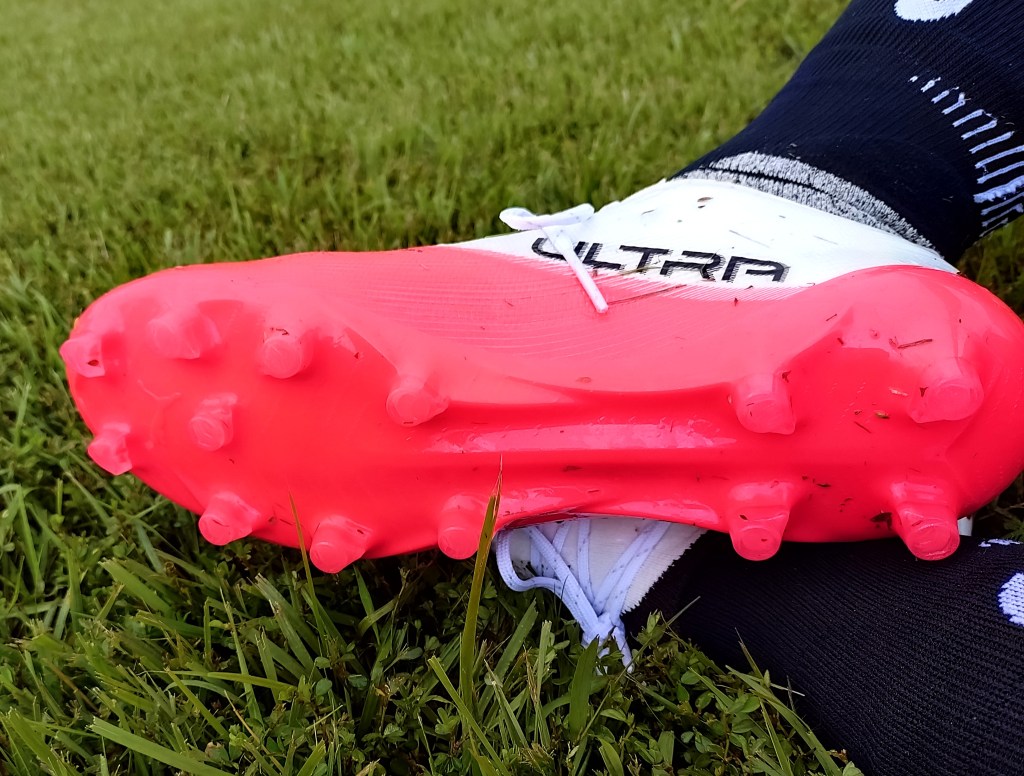
Of the two models, the HG outsole is the far more multi-functional option. It works well on both FG and AG surfaces, and while there is definitely less grip than the FG, it is the safer option between the two, and there is still a nice amount of grip; it is just closer to a non-speed boot outsole.
The choice: FG vs HG
For me, because of the stitch and turn heel, U-throat tongue, and deeper lacing system, I prefer the HG model. It does not feel as much like a speed boot. But as a boot in general, I find it to be an appealing option that could tick a lot of boxes for people. Also, shout out to the extra lacehole for a runner’s loop.
The comfort speed boot
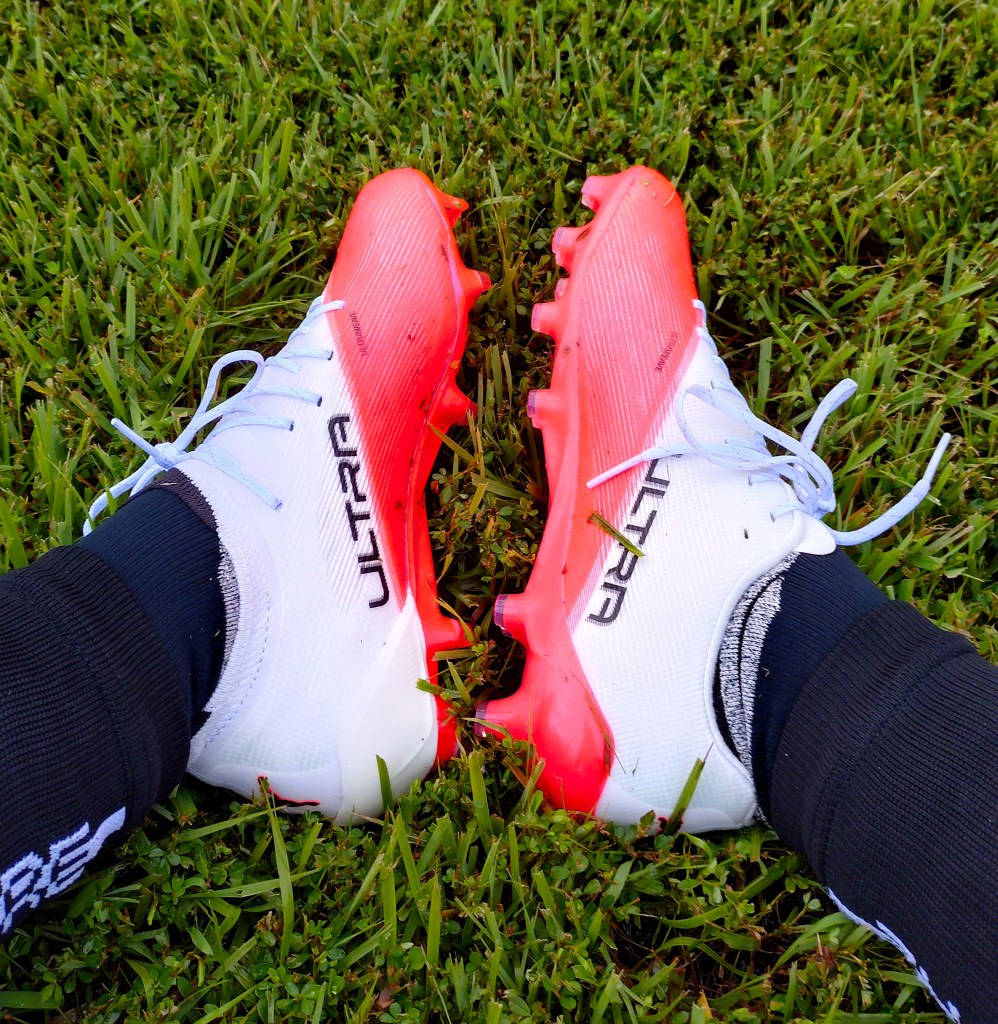
Puma is finally making their way to making good boots again, and I appreciate that they decided to do it their own way. While the extra foam in the forefoot may not be what many people want from a speed boot, it does make the boots more comfortable than some others on the market. The Nitro foam does not have the additional energy return that Puma planned for it to; the extra comfort under the foot is great and makes the boots very comfortable under the bottom of the foot. On top of this, the stitch-and-turn heel in the HG model is another piece of comfort that I really appreciate. It may not be the best speed boot on the market, but the Puma Ultra 7 Ultimate does more than enough to make a Puma speed boot a viable option once more.
What do you think of the Puma Ultra 7 Ultimate? Please share this with your friends and make sure to follow me on Instagram!
Also, check out the Football Boot Hour Podcast I co-host with Boot Wizard!
If you like this review, please consider supporting me by buying me a Ko-Fi or making a donation through the Support The Blog sidebar!
I split my time between wearing HAVO Grip Socks and PureGrip Socks for training and matches.
Use code LOCKHART15 to get 15% off your HAVO Grip Sock order or click the link here: https://havosports.com/LOCKHART.
Use code lockhart for 10% off your entire PureGrip Socks order here: https://puregripsocks.com. Along with the socks, I also recommend the Pure laces and Pure Carbon 2.0 shin guards.
じゃあね!


