Almost Elite
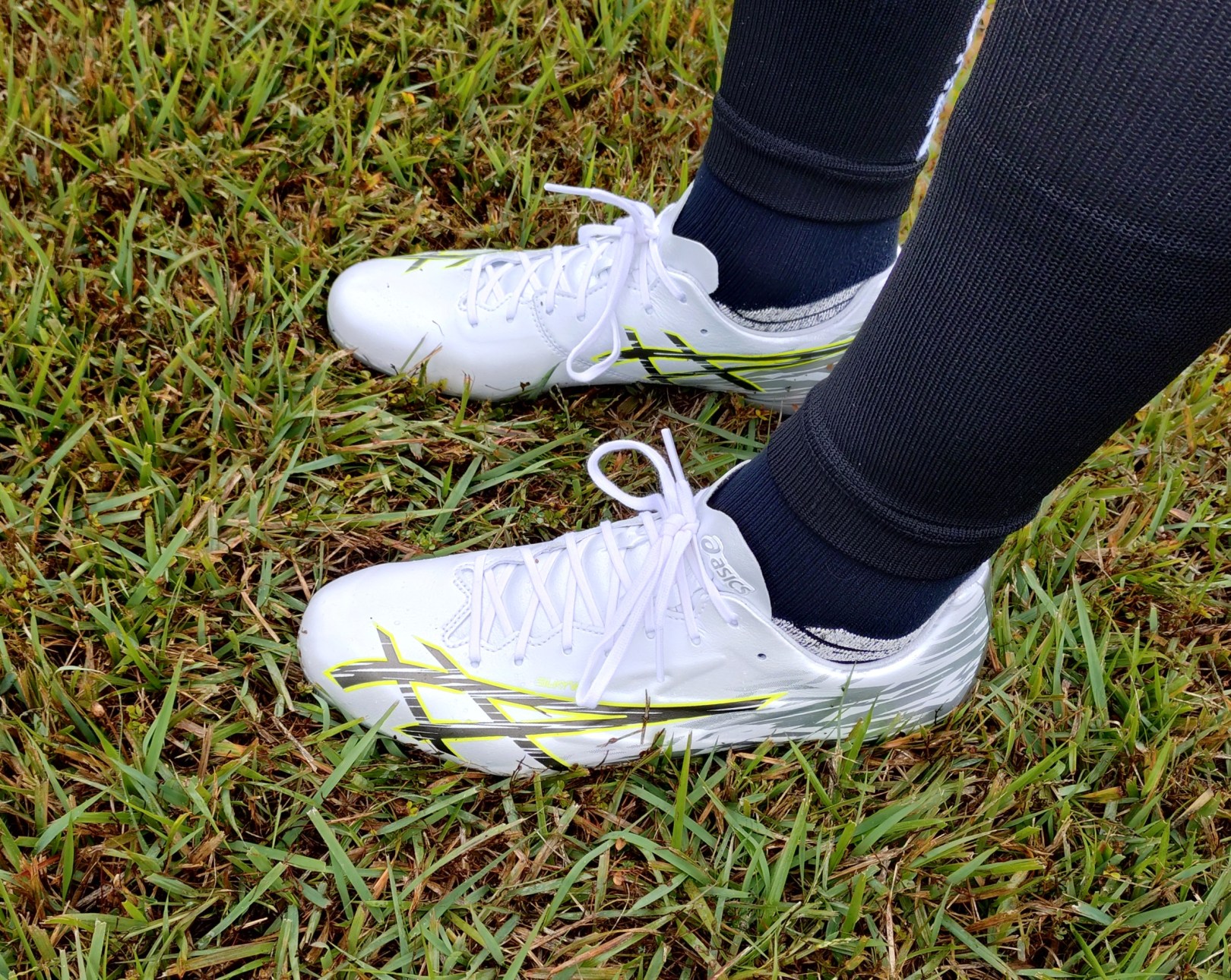
The ASICS Jetray series gives the brand a boot that matches what people expect from a speed boot. A springier soleplate, a thinner upper, and more structured support through the midfoot bring the performance profile up a notch when compared to the X Fly Pro series. Based on my own stats and conversations I’ve had with others in the review community, there seems to be a lot more interest in the Jetray series when compared to previous models in ASICS’ lineup. While the Jetray Elite has a lot of positives, I did find myself expecting something slightly different. The ASICS Jetray Pro offers some things I prefer, and the performance of the Pro model is close to what is offered by the Elite.
Fit and feel
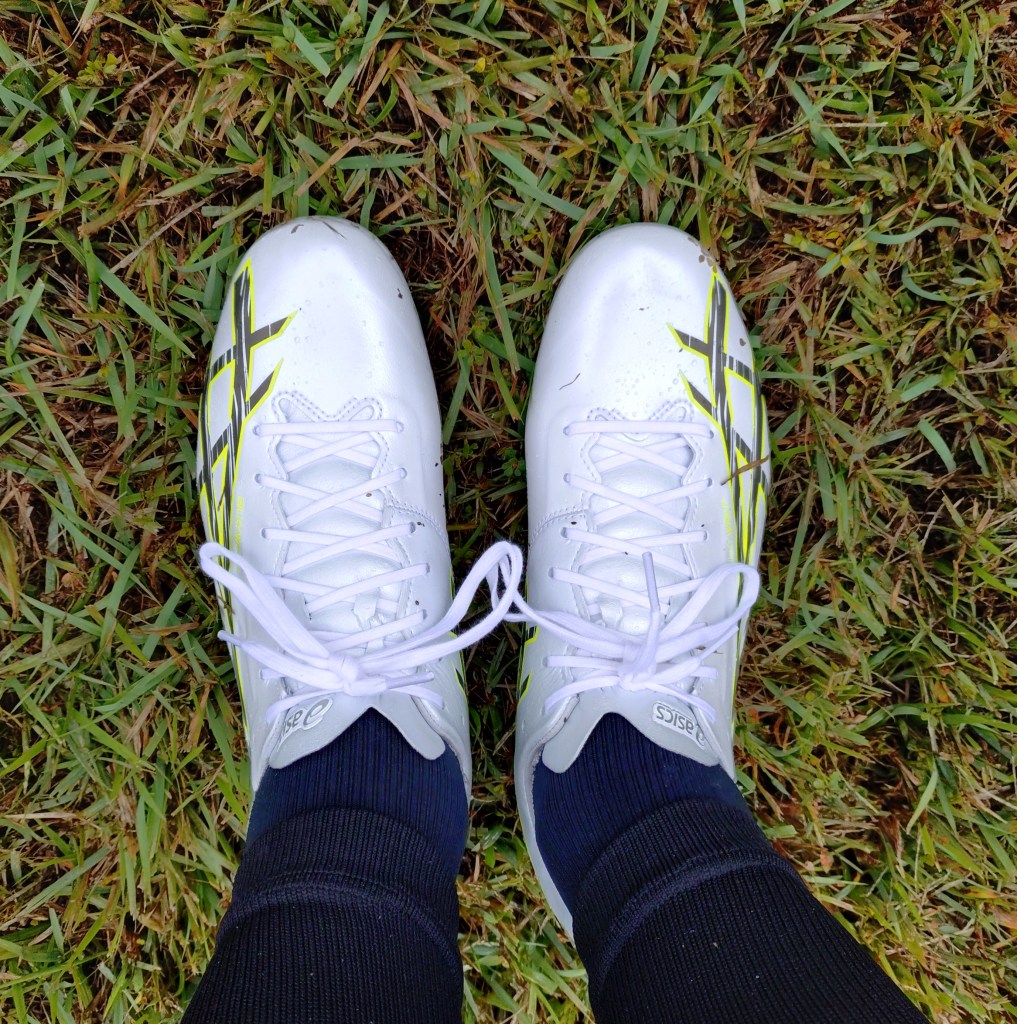
Something that was a little surprising with the Jetray Elite is that the Silkywrap Lite material was not as soft as I expected. I was worried that the Pro model would be more of the same, but the decision by ASICS to use the regular Silkywrap on the Pro model was a wise choice. The standard Silkywrap is softer out of the box when compared to the Lite version.
The flip side is that regular Silkywrap is thicker than the Lite material found on the Elite. However, there is not a massive difference between the two, as the standard Silkywrap on the Pro is still thin. The difference is far starker when comparing this newest iteration of Silkywrap to what was used on the X Fly Pro 3.
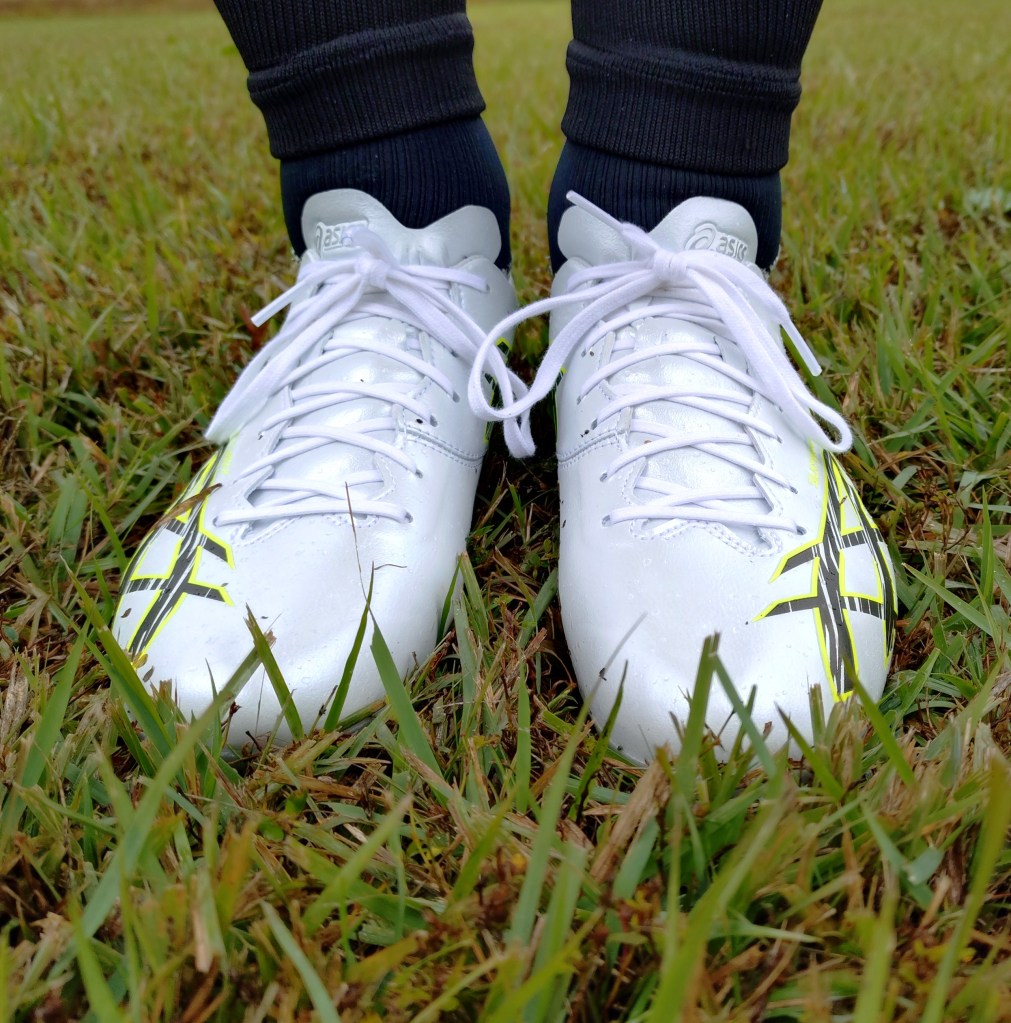
While it isn’t specifically advertised, the Jetray Pro has a stripped-back version of the Jetcage system that is found on the Elite model. Instead of being all around the upper, it is only on the outside of the foot. Interestingly, while there is less structure through the midfoot compared to the Elite, there is still enough to have some nice stability and prevent rollover when making hard cuts.
An additional benefit of the Jetcage system is the increased lockdown, and that is present on the Pro model as well. Again, this is not as strong as what is found on the Elite model, but it is still an improvement over previous ASICS models. Along with this, the fact that ASICS always includes an extra lacehole for a runner’s knot is still greatly appreciated.
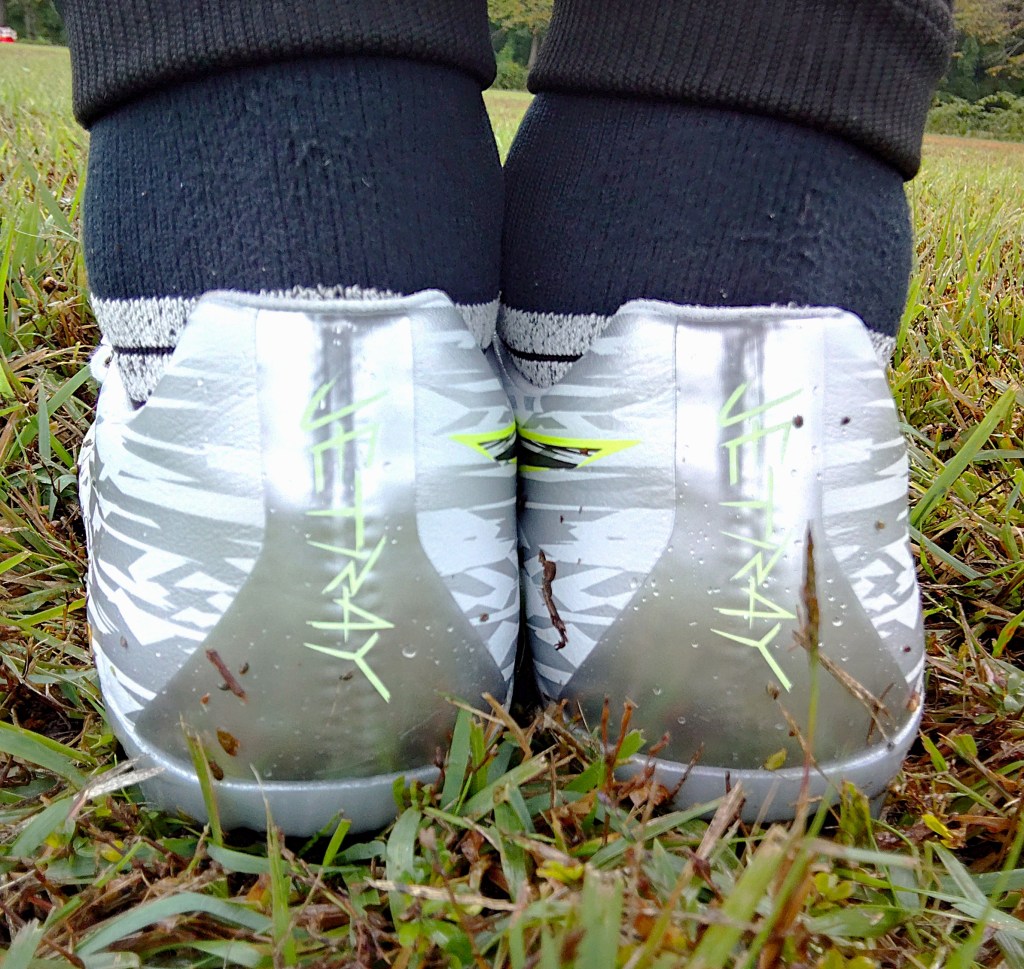
And as one might imagine, the heel lockdown is good. ASICS continues to be the market leader when it comes to heel comfort. While this is the one area of the Jetray series that is not speed boot-like, I will always take comfort over performance in the heel area.
The other part of the boot that does not feel like a speed boot is the laces. They are fine but are starting to show their age, as they have not been updated in some years now. A minor issue, but still worth mentioning.
On the other hand, the insoles continue to be of good quality. I wouldn’t go so far as to say they are one of the best, but they are still much better than other brands (looking at you, Vapor 17).
In general, too, the overall comfort of the ASICS Jetray Pro is good, and they are one of the more comfortable speed boots on the market. This is despite speed boots in general becoming more comfortable in general with what’s released this year, like F50 Hyperfast Leather Tech.
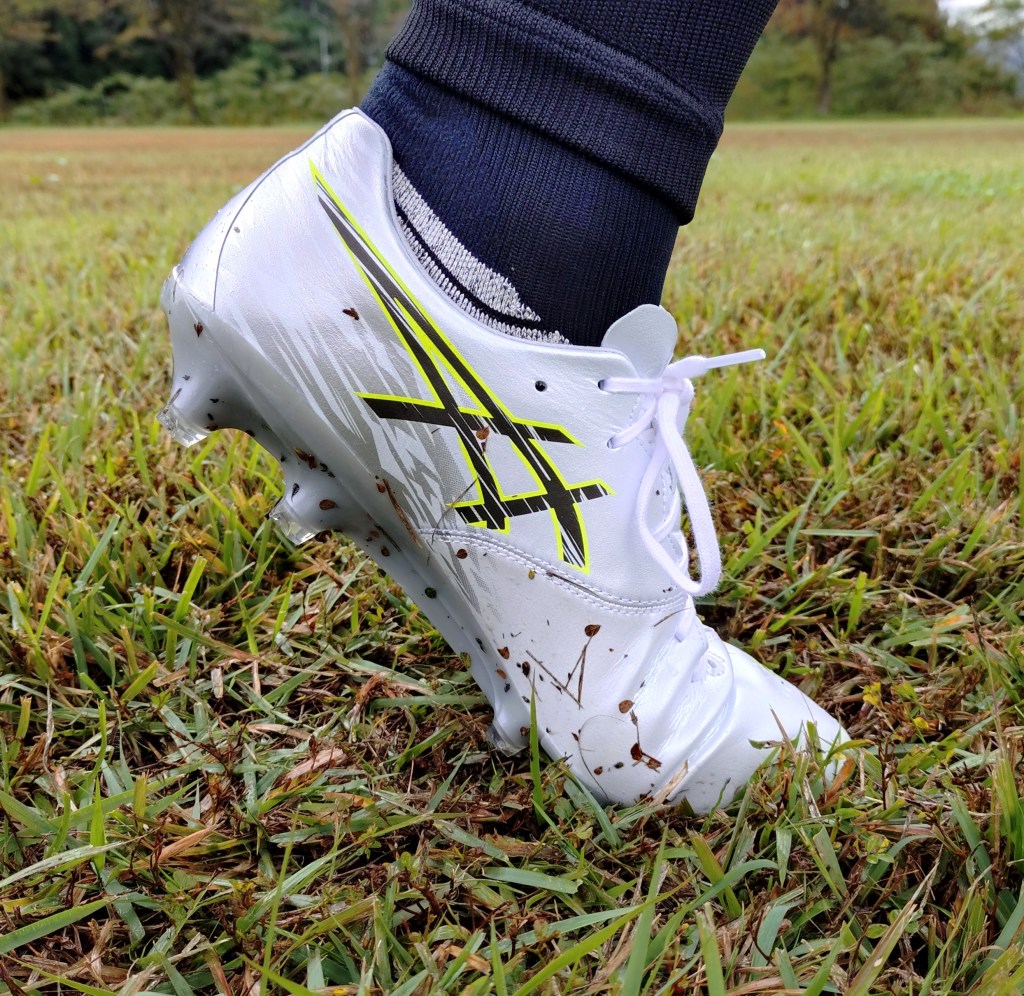
Turning back to the comparison with the Jetray Elite, the reworked Silkywrap upper does break in easier than Silkywrap Lite. Within twenty minutes of the first session, the forefoot felt ready for almost anything. The Jetray Pro is one of those boots that feel like I could take them straight into a match with few issues.
I do like the overall fit – mostly. There is one issue that I realised I have with the Jetray series, which is that the forefoot is just slightly too wide for my foot. Now, bear in mind I have a medium-to-narrow foot, so this seems more like an issue for me specifically rather than a general issue. But I do have to cinch up the bottom laces a little to get a tighter fit in the forefoot.
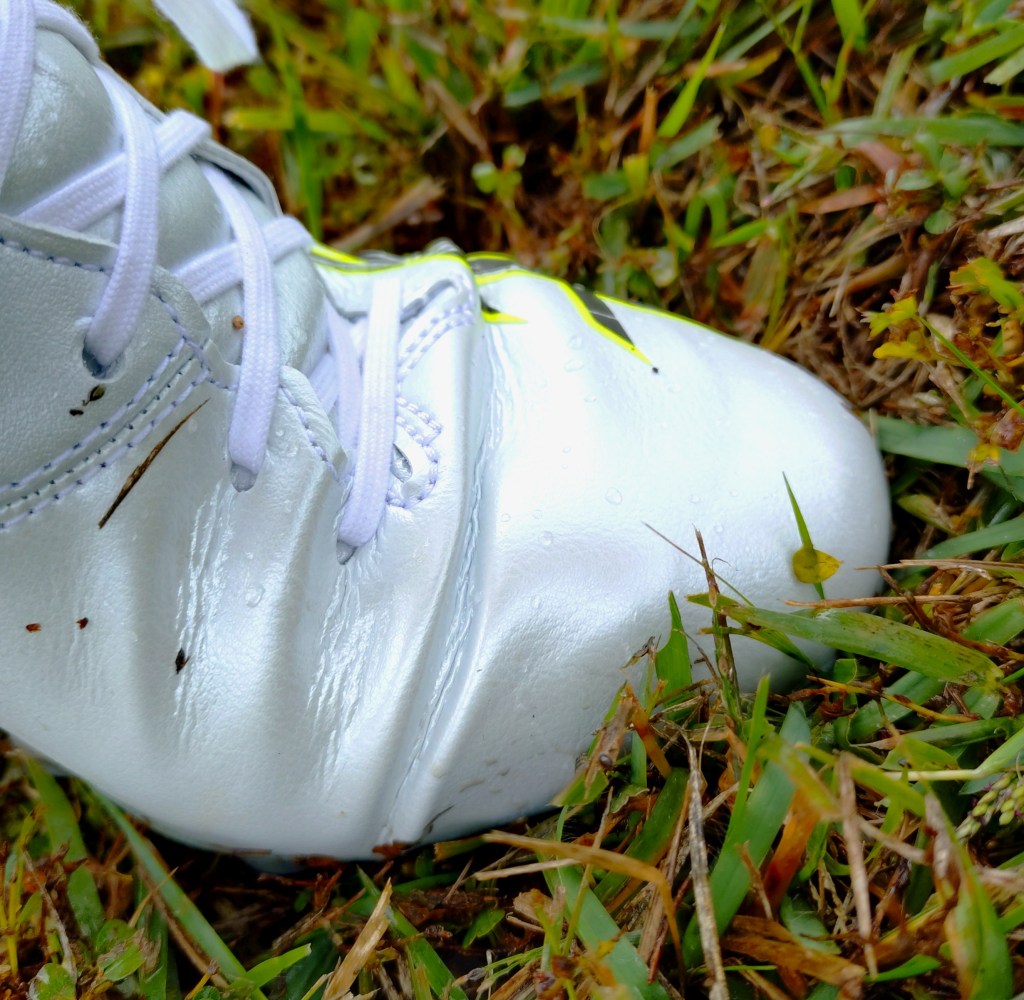
Outside of that, the general shaping of the boot, like every other ASICS boot, is good. And the boot’s deep and central lacing system means that the boots will fit a lot of different foot shapes, unless your foot is overly narrow.
In terms of the sizing, like any other ASICS boot, the Jetray Pro runs long. I do think that the Pro model runs slightly smaller than the Elite model, but because of the shape, I still recommend a half size down. This means that, like every other ASICS boot (except for the DS Light Pro AG), I got the Jetray Pro in a US 8/UK 7/EU 41.5/JP 26, and the fit is spot on for me. I strongly recommend you order a half size down if you want to pick these up.
On the ball
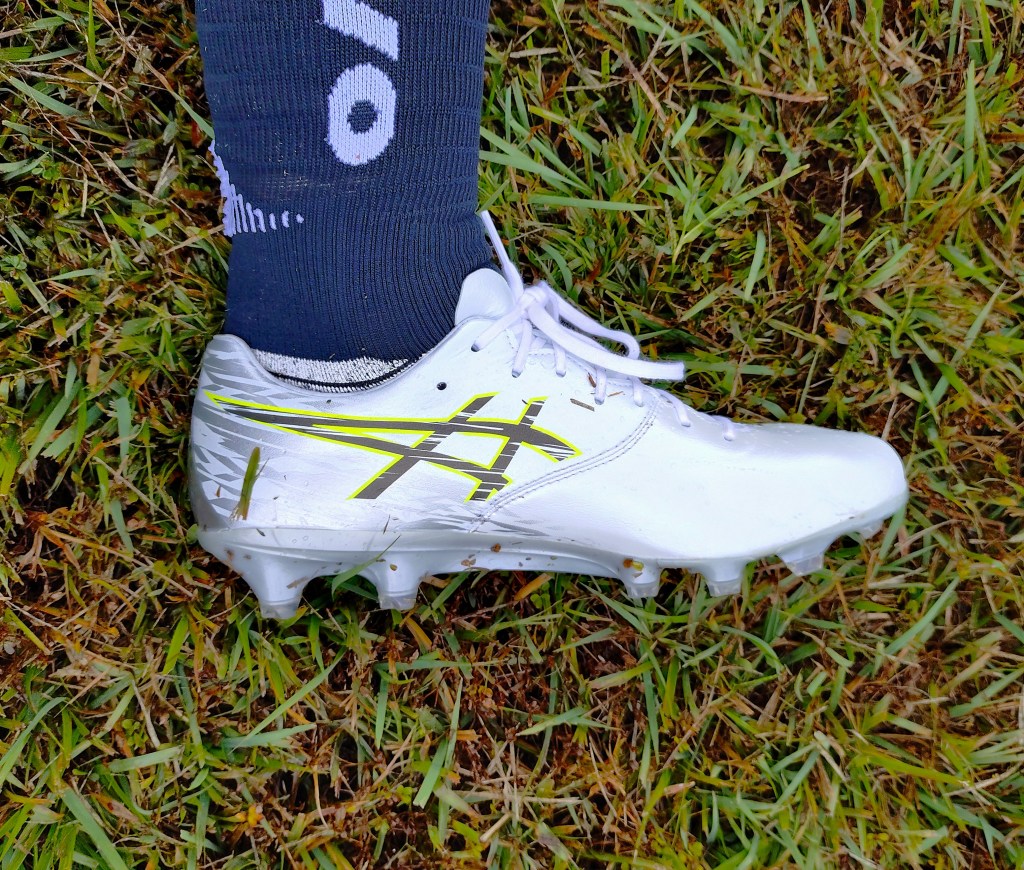
This might be a personal preference, but I find that I like the touch in the Jetray Pro over the Elite. It probably is due to the standard Silkywrap being softer and having slightly more density in the upper compared to Silkywrap Lite.
Something else that I like about the Pro is that the lack of Jetcage in the forefoot means this area of the boot has a consistent feel, save for the ASICS logo, which has some very slightly raised sections on it. I prefer having a consistent feel in a speed boot upper.
Unlike some other speed boots on the market, there is no pingy sensation when hitting the ball with power, though I know some people like having that sensation. But hitting the ball with oomph is still satisfying, and it has some nice feedback.
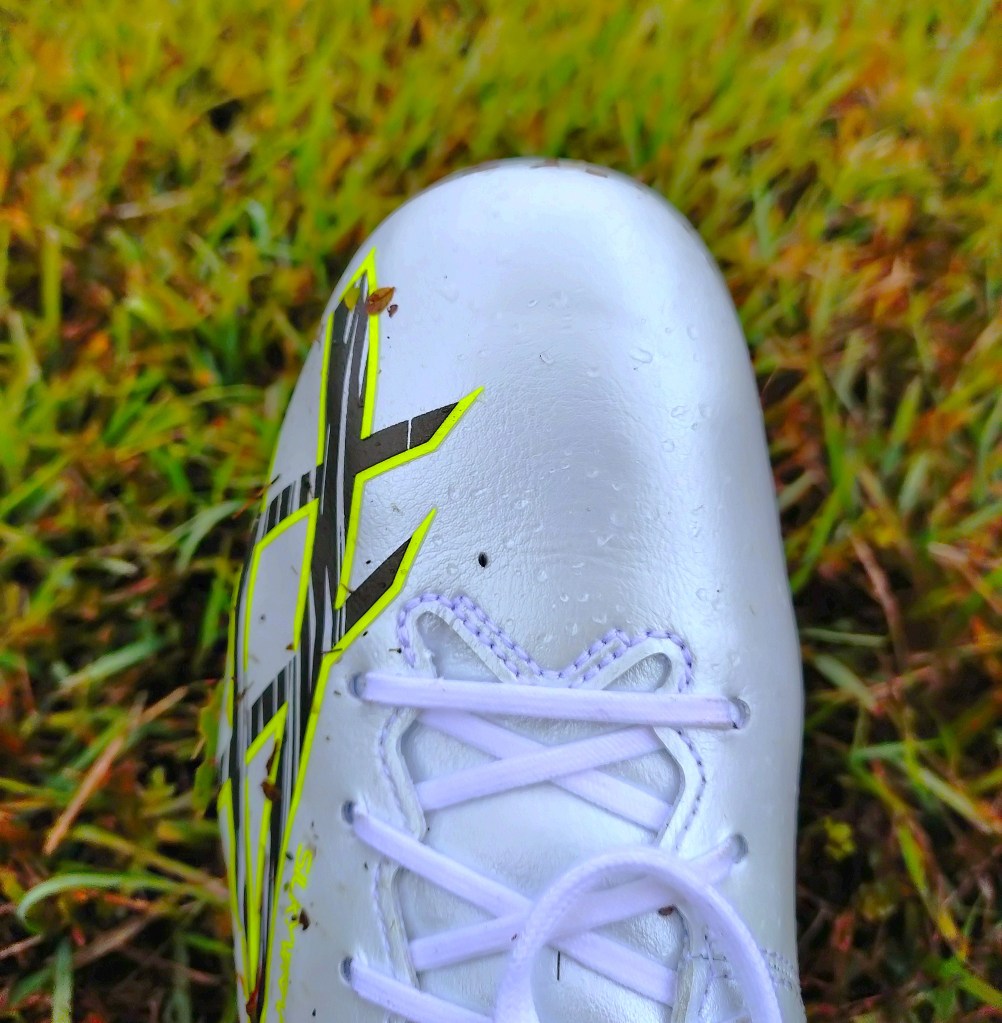
The issue with the forefoot being slightly wide for me does cause a bit of a problem, as occasionally I do feel the boot push against the top of my foot in a weird way. Again, this is down to my personal foot shape, and other people will probably not have this issue.
Like other boots with Silkywrap, there is some slight friction when on the ball, and this is down to the leather-like grain on the upper.
A positive, though, is not only that the forefoot studs have texture on the bottom, which I really like, but that the soleplate is good at anchoring the foot into the ground when taking shots and slamming the ball.
Grip
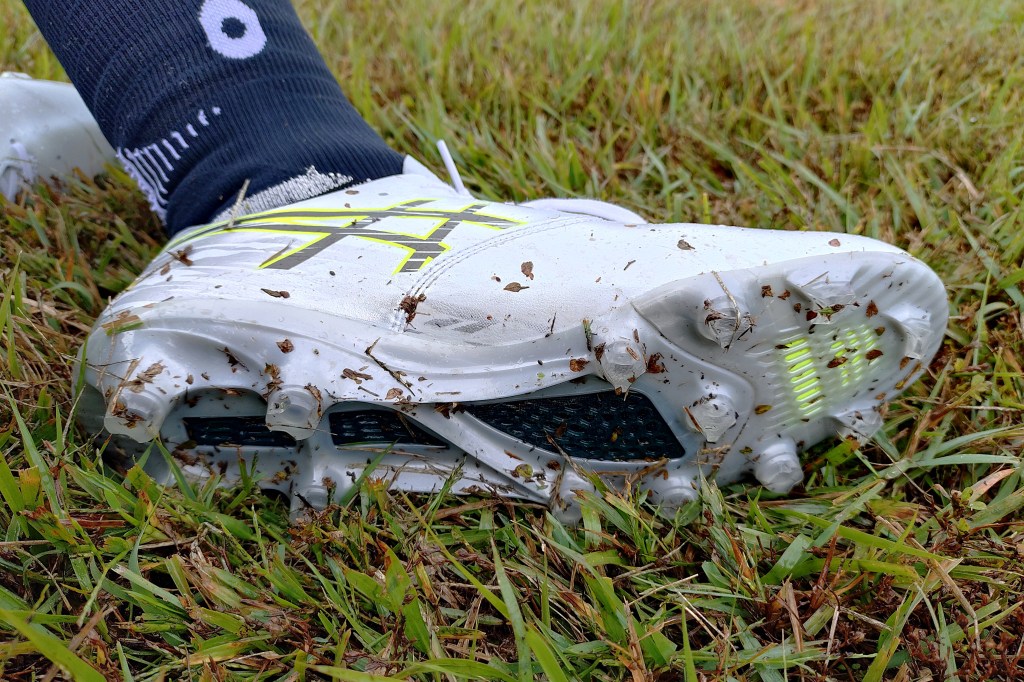
The outsole on the Jetray Pro is almost the same as the Elite, but there is one key difference, which is that the snapback is not as strong as what is found on the Elite. At the same time, it is still really snappy and still feels like a speed boot.
There is also a nice flexpoint in the forefoot to help the foot flex properly, and yet it does take away from the snappy sensation of the outsole. Still, some people (like BootWizard) will appreciate this.
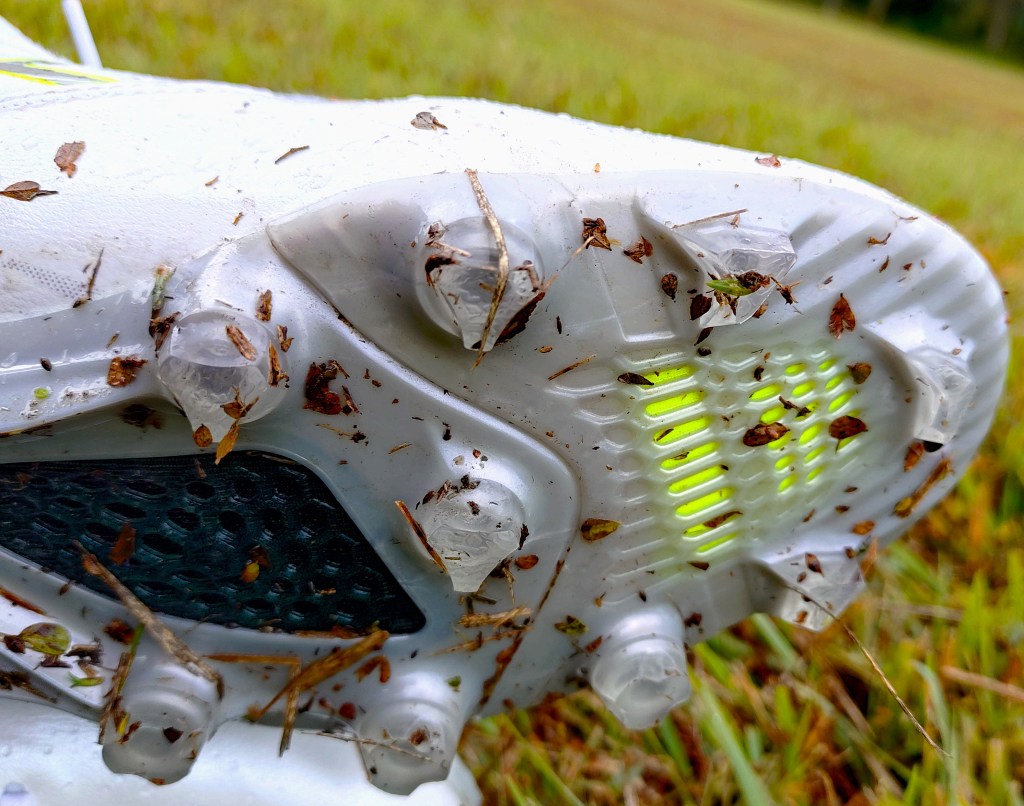
Outside of this, the outsole is grippy and more aggressive than you would expect given the stud shape. On top of this, the soleplate feels agile, especially when you are up on your toes, which again is probably down to that extra flexpoint in the forefoot.
A quick note – the Jetray Pro does not have the 5mm heel raise. That will probably not necessarily sway many people away from these, but it’s worth noting.
ASICS Jetray Elite vs Jetray Pro comparison
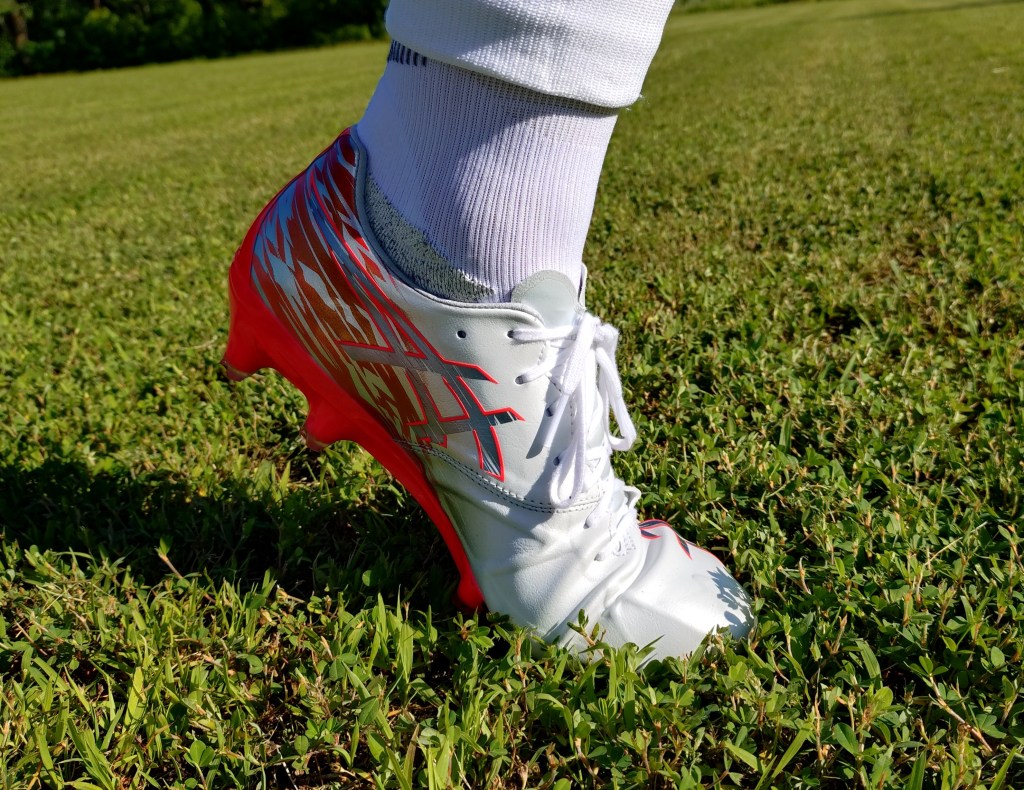
For me, the softer upper of the Pro model makes it a better choice than the Elite. The Jetray Elite does have better lockdown, stability, and a thinner upper, while also feeling more like what you expect of a speed boot. However, the performance of the Pro model is so good that I would argue that it is the better option between the two, on top of being cheaper.
In fact, it reminds me a lot of the Mizuno Alpha 3 in this way. With those, the Japan model is definitely the better boot, but the Elite is still so good that it is difficult to justify spending the extra money for only a slight bit of additional performance.
So it goes with the Jetray: get the Pro, if possible. It is good enough for the Elite model to feel a bit pointless.
ASICS Jetray Pro vs DS Light X Fly Pro 3 Comparison

The Jetray Pro has been presented as the replacement for the DS Light X Fly Pro 3, and it is more of a speed boot than the boots of the X Fly Pro series ever have been.
I’m probably in the minority here, but I find that I prefer the X Fly Pro 3 over the Jetray. As I mentioned in one of my playtest reels, the X Fly Pro 3 just fits me better, and I prefer the sensation on the ball in the X Fly Pro 3 as well.
In general, the Jetray series offers higher performance when compared to the X Fly Pro series. It’s because of this, I think people will still gravitate towards the Jetray. And again, Jetray Pro feels much more like what is expected of a speed boot. ASICS probably needs that too, as in the international market, speed boots tend to sell more than other types of boots.
It’s a shame on a personal level, but I do think this is a direction they needed to go in if they want to begin to make an impact on the international market.
Elite in all but name
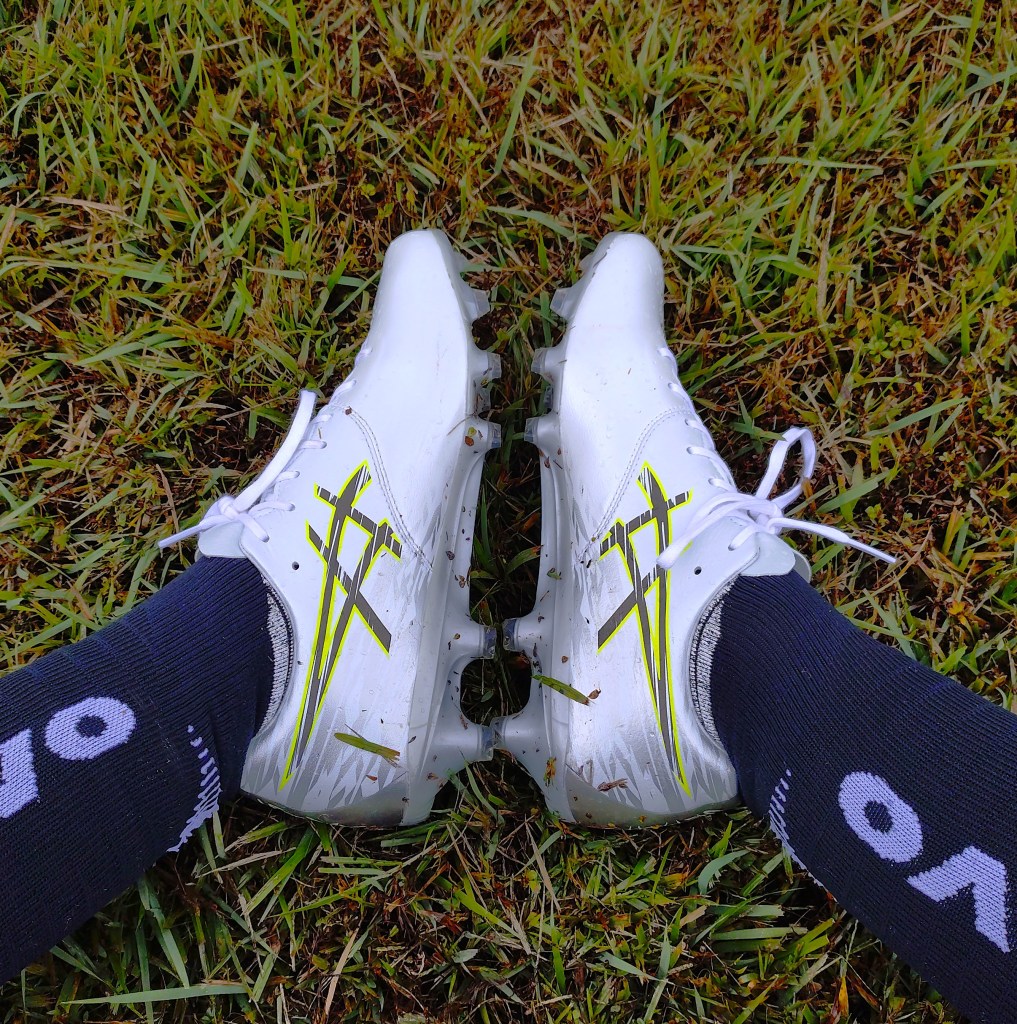
While the ASICS Jetray Pro has been positioned as the first takedown in the Jetray series, its performance and pricing put it closer to an Elite boot in its own right. The Elite is, of course, a bit better in terms of potential performance, but the Pro does a lot of what the Elite offers. The biggest takeaway is that the Pro’s standard Silkywrap upper offers a better out-of-the-box experience than the Silkywrap Lite material, and given how close the rest of the boot is to the Elite, I would argue that the Pro model is the one to go for if you are looking at the Jetray. It’s a great boot that does the speed boot stuff without you being forced to give up comfort.
What do you think of the ASICS Jetray Pro? Please share this with your friends and make sure to follow me on Instagram!
Also, check out the Football Boot Hour Podcast I co-host with Boot Wizard!
If you like this review, please consider supporting me by buying me a Ko-Fi or making a donation through the Support The Blog sidebar!
I wear HAVO Grip Socks for training and matches.
Use code LOCKHART15 to get 15% off your HAVO Grip Sock order or click the link here: https://havosports.com/LOCKHART.
じゃあね!


