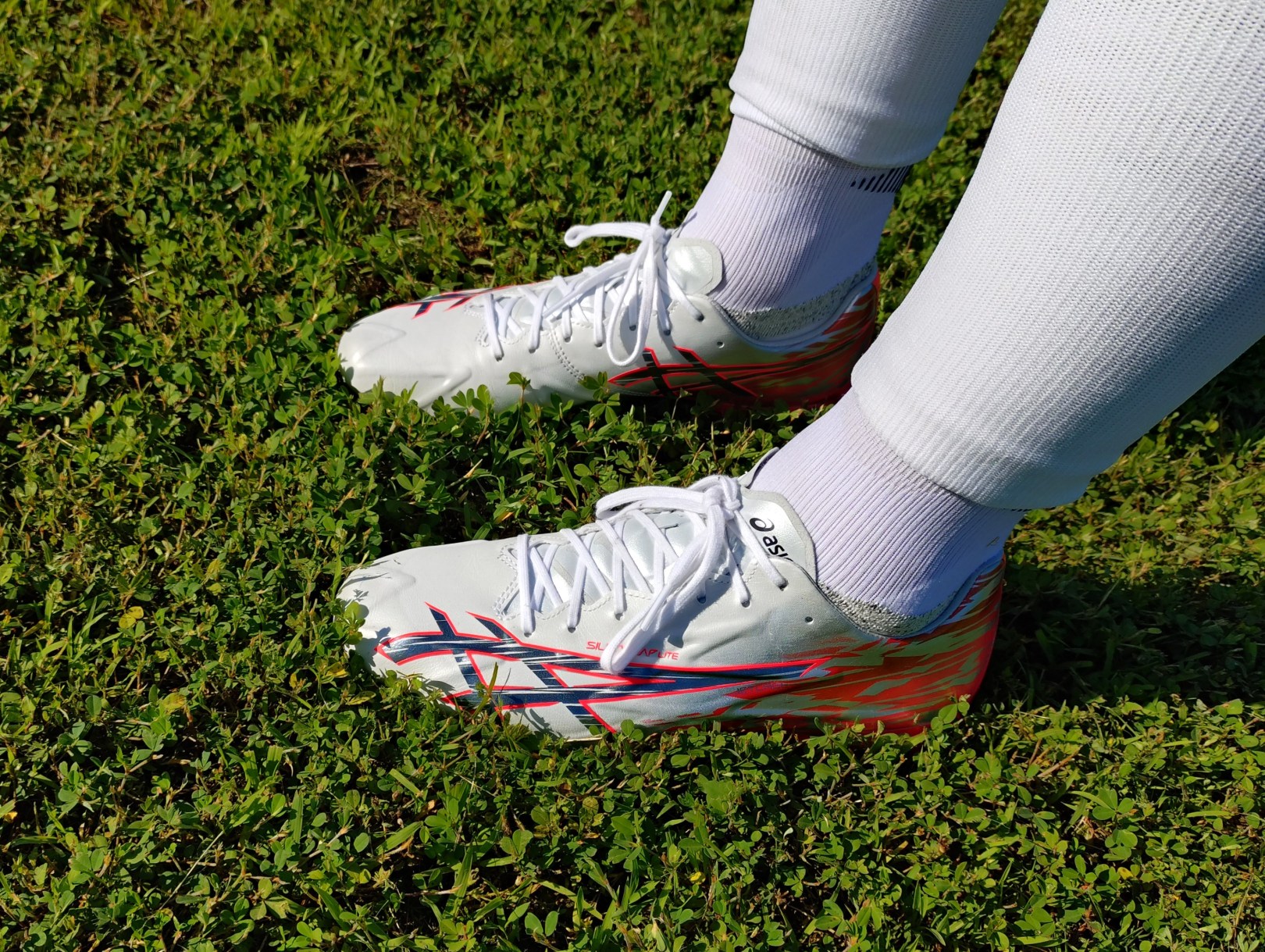
The alternative choice
Update 7/10/2026: Added some clarifying language for the fit, upper feel
ASICS has been gaining prominence within the wider boot community this decade. While the brand has long had a small but loyal community of advocates among the international boot community, its stature continues to grow year over year. One of the things that ASICS continues to do well is to cleverly implement its own proprietary technology.
The introduction of Silkywrap a few years ago, with the release of the DS Light X Fly Pro 3, brought to the market an excellent leather alternative that still delivered some of the advantages of a natural material. The ASICS Jetray Elite is a continuation of this trend, with the new Silkywrap Lite and other tech in the boot giving us an excellent alternative speed boot.
Fit and Feel
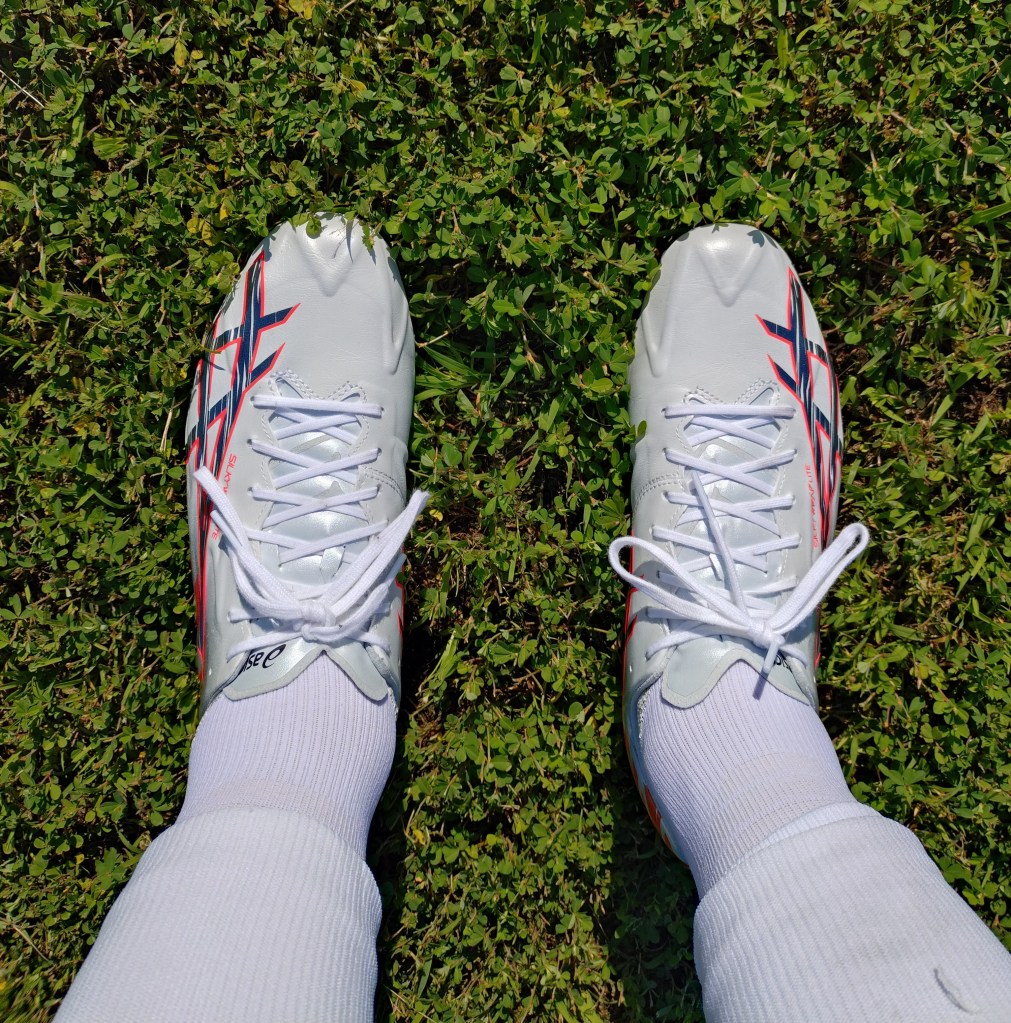
Interestingly, the out-of-the-box feel of the Jetray Elite is slightly plasticky in hand, and the Silkywrap Lite material does not feel as soft out of the box as a standard Silkywrap boot, like X Fly 6, for example. Part of this is that the standard Silkywrap is a plusher material. However, it would be a stretch to say the material feels stiff. It is fairly malleable out of the box. Update: I need to make clear that the upper has more volume out of the box when compared to other ASICS boots that use Silkywrap.
In fact, it still felt soft enough that I wore the boots straight into a match without having played in them beforehand. This means that, like the F50 Hyperfast, the fit and feel of the boots were good enough that I felt confident to wear them immediately into a match situation.
Any issues with the stiffness of Silkywrap Lite disappear quickly once the boots are on foot and in action. Within 20 minutes of my coming on, the ASICS Jetray Elite felt almost fully broken in. I really appreciate that even in a slimmed-down version of the material, Silkywrap still continues to impress because of how quickly the material breaks in. It is up there with the Techleather from Nike in being an excellent, natural-feeling non-leather alternative.
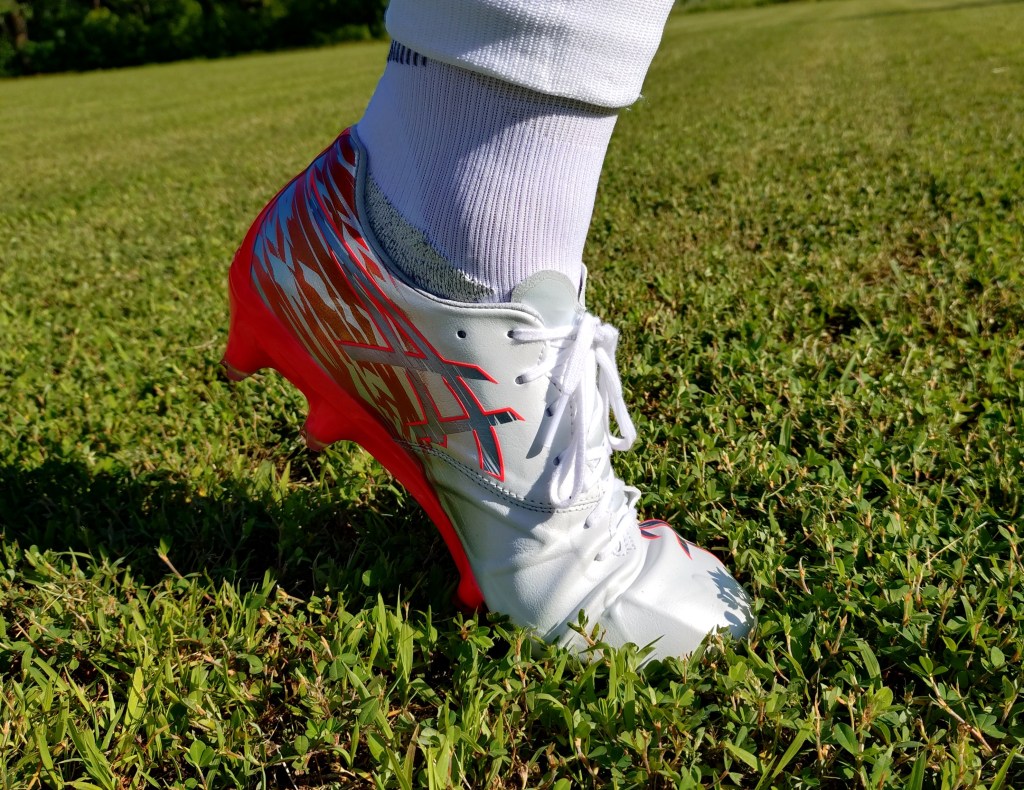
The overall fit of the boots is great as well. The deep and wide lacing system allows for a lot of adjustability in the fit. Like a lot of other ASICS boots, this means that a lot of different foot types should fit into the boots fairly easily. The addition of the Jetcage is also smart in that it helps accentuate the overall fit and helps the boot wrap the foot nicely. More on the benefits of the Jetcage are below.
Update: Even after several matches of wear, while the upper is broken in, there is still more volume than in other ASICS boots. If you have a wider foot, this will not be an issue. I notice this because I have a medium to narrow width foot, and there is more volume than I’d prefer.
I also find the toebox to be more rounded, rather than pointy, which is what I personally prefer, but something to keep in mind depending on your personal preferences.
The fit is actually the first place with the 5mm heel raise model, and the 0mm heel raise model has some slight differences. I find that the 5mm model (which is the one that will be available on the international market) fits just slightly a bit more snug than the 0mm (Japan only) model.
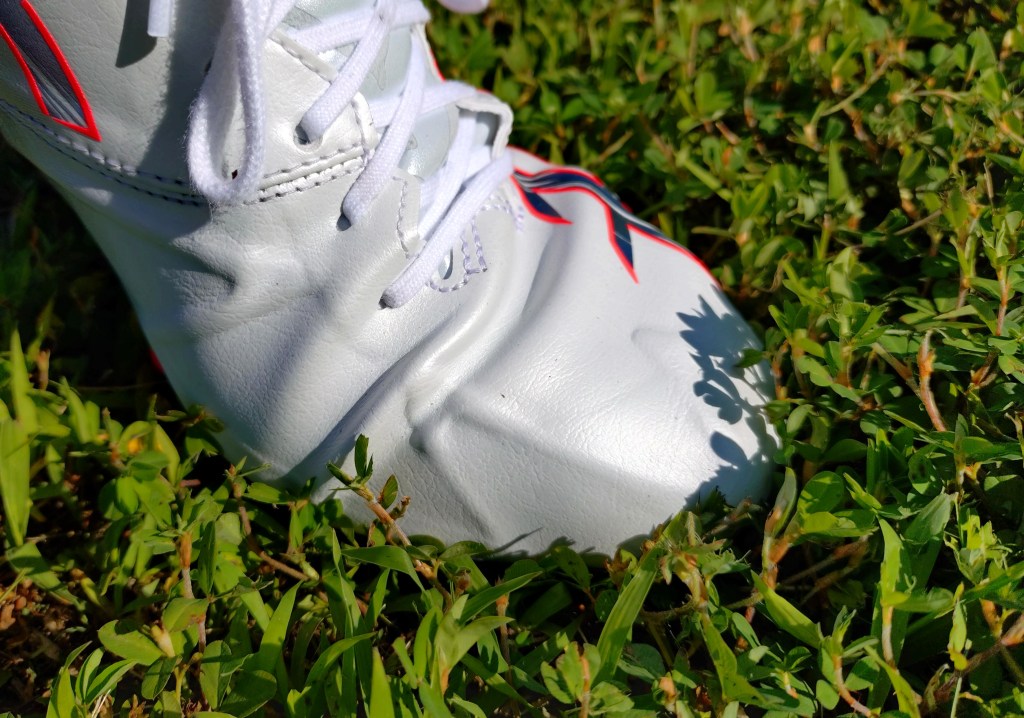
Personally, I don’t think the lasts are different between the two, but rather the 5mm heel raise pushes the foot up into the boot that bit more. This should not be a deal breaker if you have a wider foot, as again, I think the difference is very small. It does mean that for me, the 5mm model fits my foot a little bit better, and I wouldn’t mind if the boot had a little bit less volume in the forefoot. I will go into the differences of the heel raises further in the review.
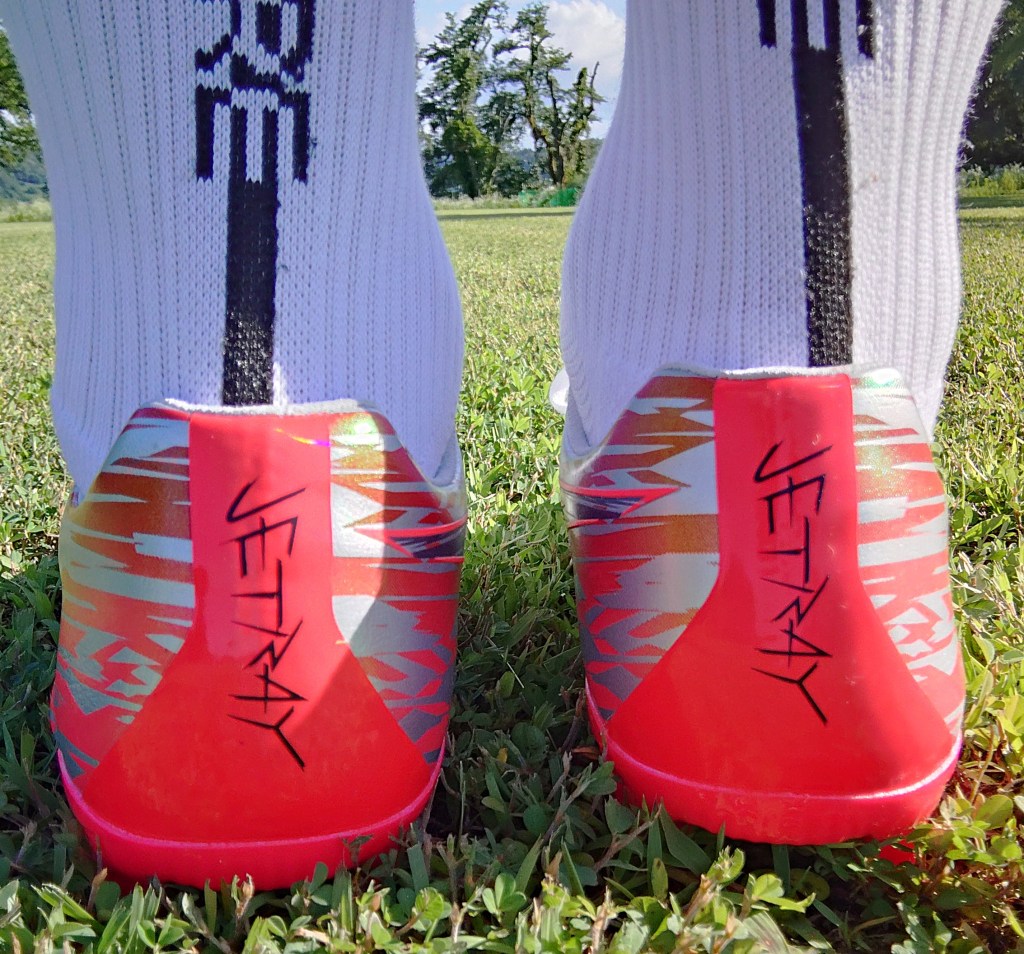
ASICS boots always have very comfortable heels. The Jetray Elite is no different. It is the best heel of any speed boot on the market. Some brands are getting closer to ASICS heel comfort level (Sokito’s Scudetta Biotouch being one), but ASICS still has just that bit more about it.
The heel cushioning wraps the back of the foot pleasantly yet never feels overly bulky. The faux suede lining is this very nice, brushed material that not only is soft to the touch but grips the back of the sock nicely in order to deliver great lockdown.
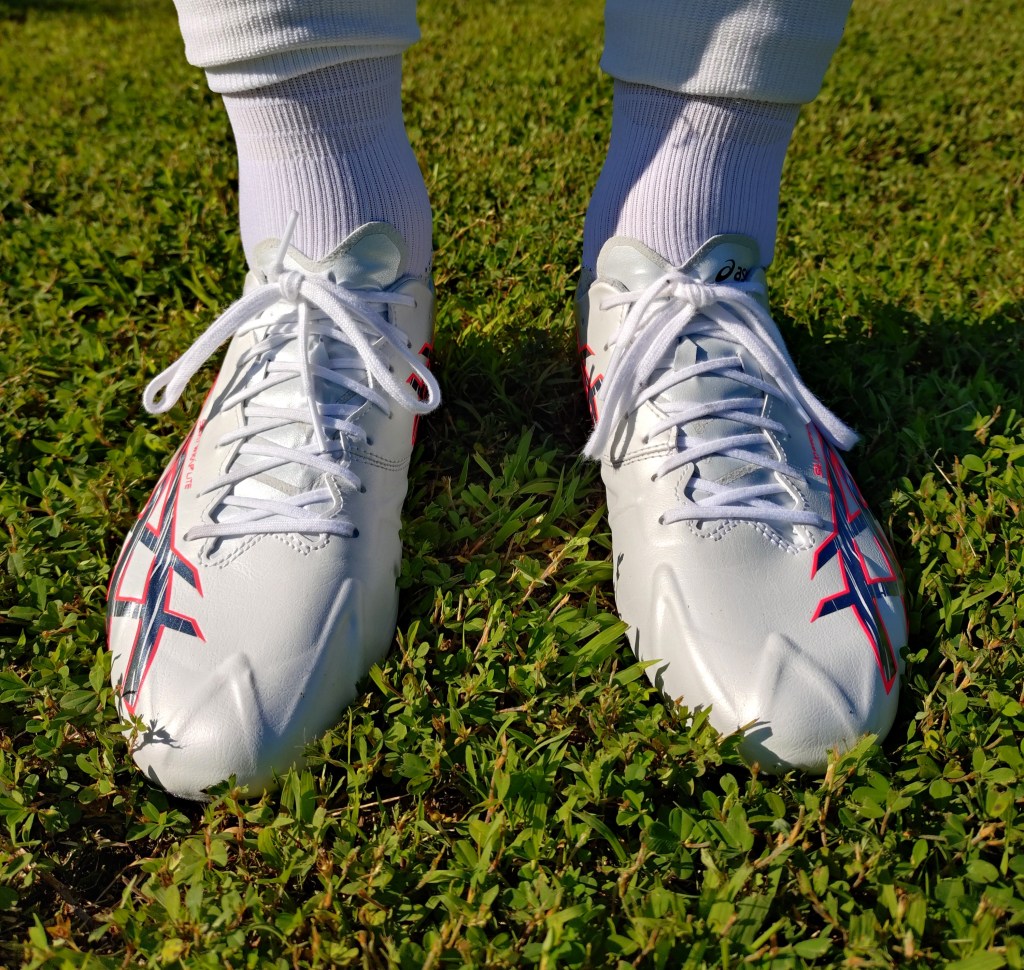
Speaking of lockdown, it is really good. Again, the deep lacing system really helps get the right amount of lockdown and fit along the foot. As always with an ASICS boot, there is an extra lacehole which allows you to do a runner’s knot for that extra bit of lockdown.
The new Jetcage system also somewhat helps with lockdown as it aids the upper to keep its shape around the foot and ensures that the upper does not feel loose or sloppy as it breaks in. It is very reminiscent of what Mizuno used to with their Rebula series (specifically in the first, second, and third models), yet ASICS made some tweaks based on player feedback so that the cage would not get in the way of the touch on the ball.
Jetcage is more present on the outer quarter panel of the boot. What this additional foam does is to help provide extra stability when making hard cuts and turns. The Jetcage works well, as it delivers good stability without feeling like it is stiff. It is not the best stability on the market (the Scudetta Kaizen is probably the best), but it performs nicely.
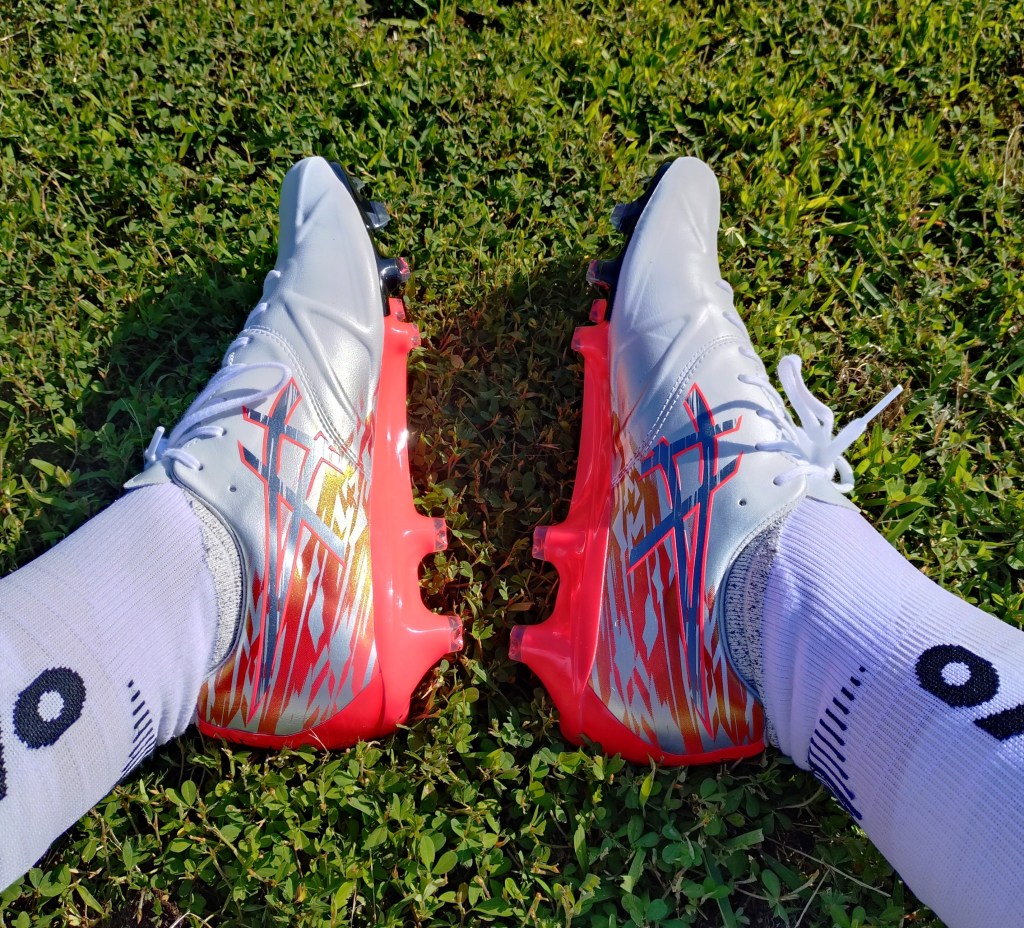
Another thing I have always liked about ASICS boots is that they consistently have a great insole, and this trend continues with the Jetray Elite. The insole is nicely cushioned without feeling overly spongy. There is also a grippiness to the surface, while not as strong as something like the ZeroGlide insole from Mizuno, it is still above what many other brands offer.
Also, the insole has a slight circular rise that sits under the second, third, and fourth metatarsals. While it is there to ostensibly provide a bit of extra support, I do not particularly notice it. However, like many other pieces of tech that ASICS puts in their boots, I am sure they have data to show that it has an added benefit.
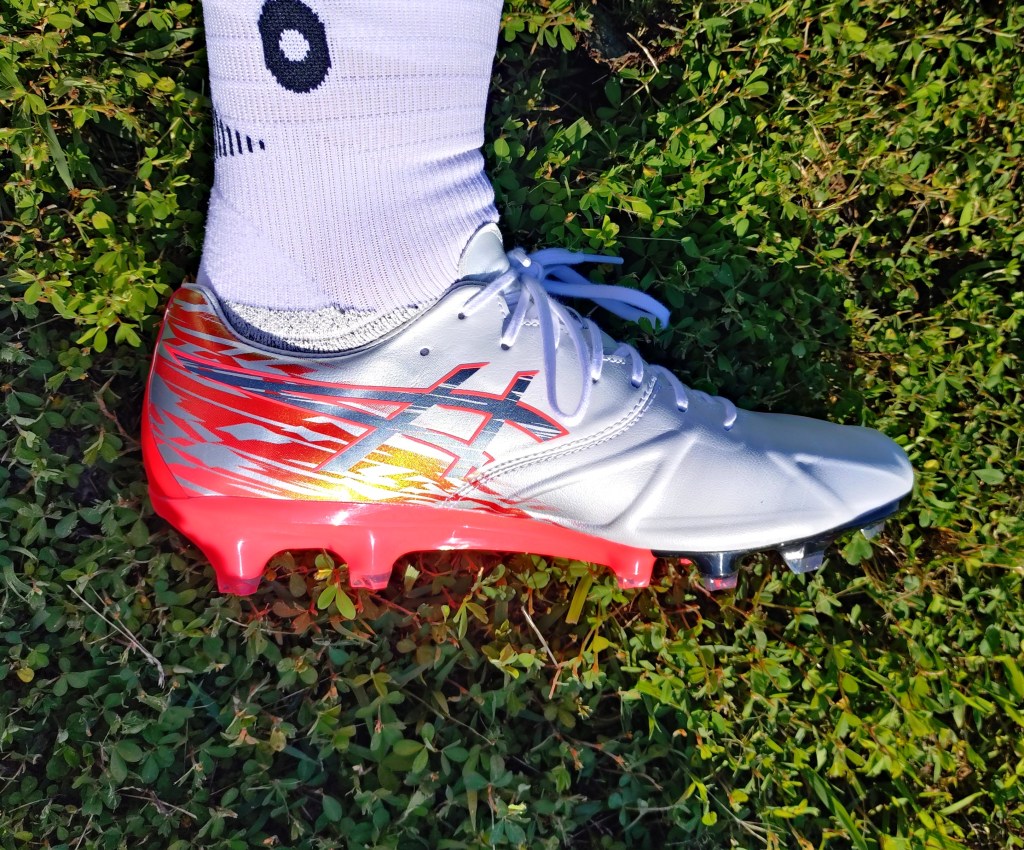
Lastly, on the fit, I do appreciate the shaping of the Jetray. It feels like it follows the natural shaping of the foot more than other boots on the market. Some other boots can feel like they fit straight, rather than considering the natural shape of a foot.
A quick word about durability. While I have not had the boots too long, I have played on several different surfaces in them, such as AG and FG. There have been no issues, and outside of feeling broken in (as well as the silly inclusion of a wearable finish on the outsole of the 5mm model), the boots still look relatively new. Long-term durability does not seem like it will be an issue. As with any other ASICS boot, the build quality is excellent, and I appreciate that ASICS still adds a rivet to the front of the toebox for extra endurance.
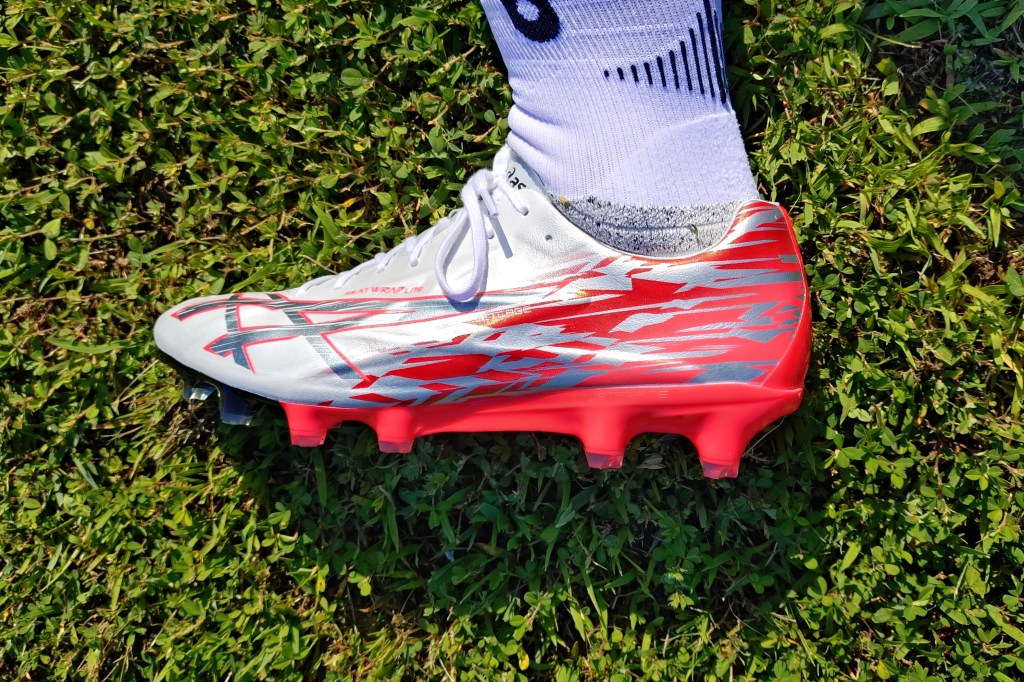
Moving on to the sizing, like many other ASICS boots, I went half a size down from my normal size. This means that I got the Jetray Elite in a US 8/UK 7/EU 41.5/JP 26 and the fit is perfect. If you are thinking of getting a pair, I recommend you go with a half size down from your normal size.
On the Ball
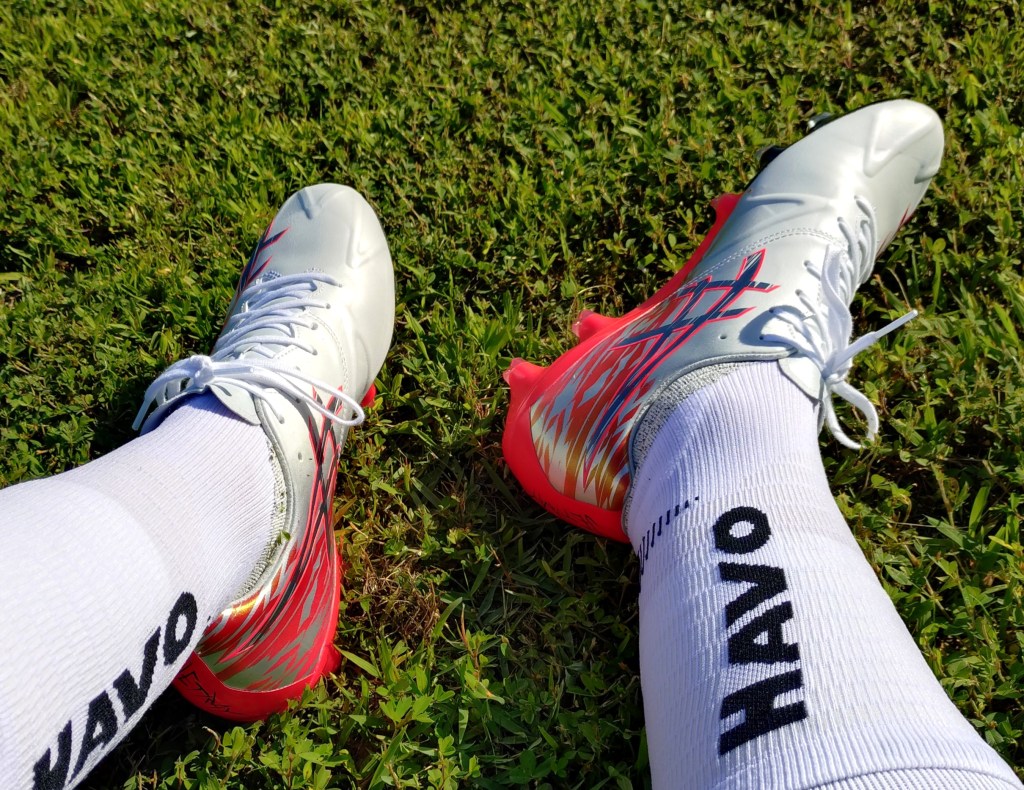
In short, the touch is excellent. The Silkywrap is a thin upper that still feels similar to natural materials on the ball. Once broken in, the touch on the ball is great. There is very little between the foot and the ball, and while the upper is not as razor-thin as some other speed boots, such as the Superfly 11, it is still thin. It is impressive that there is a very direct connection between the ball and the foot, yet no sacrifice has been made to the pliability of the upper to do so.
I do need to mention that the initial extra volume of the Jetray versus other ASICS boots is something I needed to adjust to. It does help that I can cinch the laces up enough to get a tight enough fit. There is still slightly more volume than I would personally like, but again, remember my feet are narrower than average. This does mean that initially, I felt somewhat disconnected from the ball for the first few minutes of wear.
Part of what makes the Silkywrap Lite upper feel so natural is that the upper retains the leather-like grain that is present on other ASICS boots that have the Silkywrap upper, like the DS Light Pro AG, for example. And yet this is the thinnest version of Silkywrap yet, making it feel like a very thin natural material, while still offering the benefits of a more durable synthetic upper.
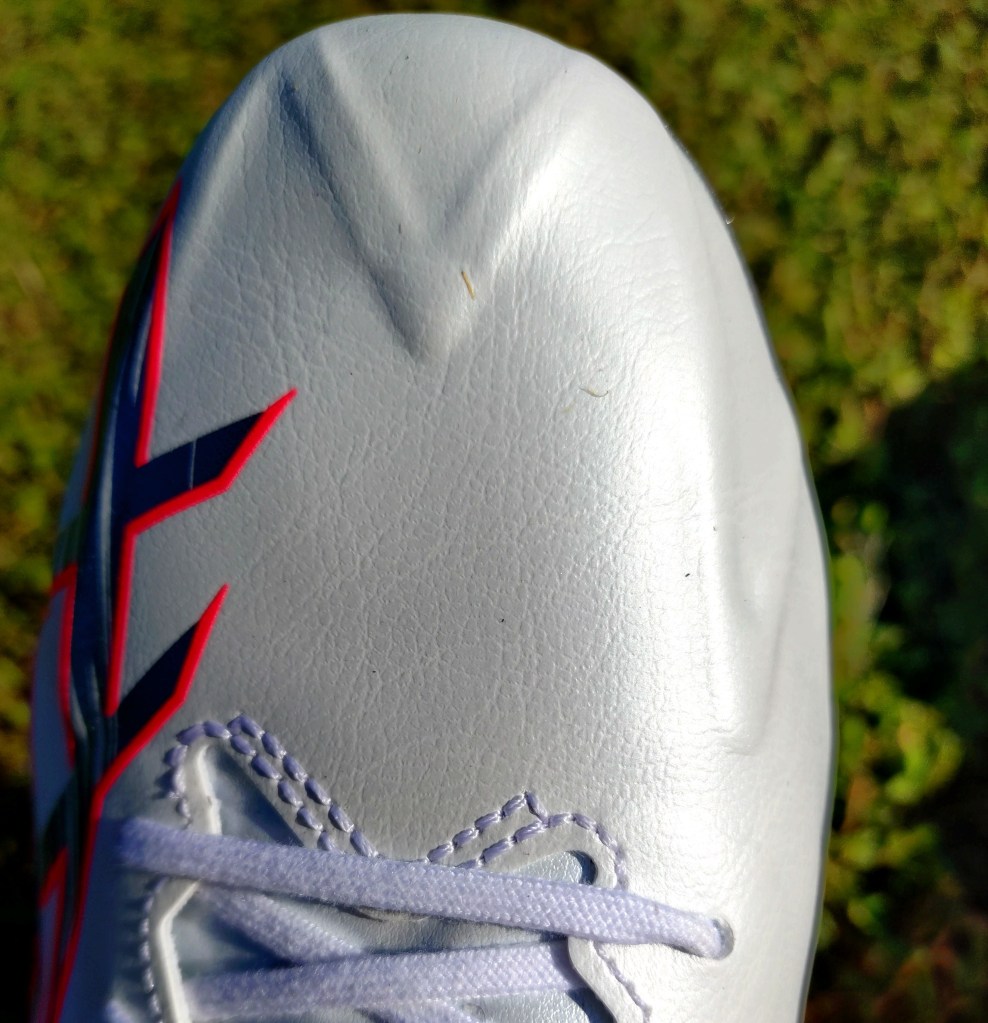
A pleasant surprise that I have come across during testing is that there is some friction to the upper. This has become more noticeable when I have played in the rain. It is not super grippy like some other boots on the market, but there is enough there to just help with a bit of extra confidence with the touch on the ball.
Something else that has surprised me is that there is even a very slight pinginess when hitting the ball with power. It is not overly noticeable, but it is present. And as one would expect with a thinner upper material, hitting the ball with oomph is all about what you put in.
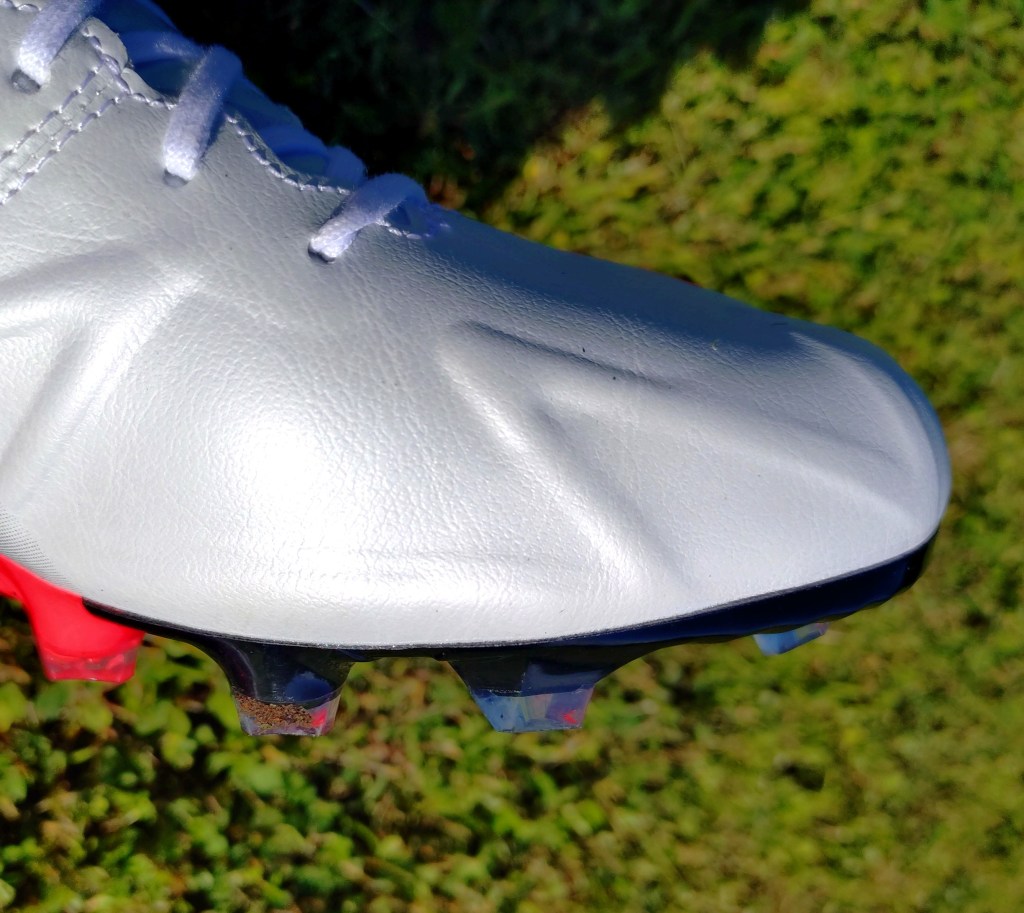
What may be unexpected to hear is that the Jetcage does not have too much of a dampening effect when it comes to controlling the ball. This somewhat separates it from Mizuno’s CT Frame, since that had a bit of a dampening effect on it. I do not mind that Jetcage is different, as the stability and lockdown are better than what Mizuno’s CT Frame offered.
Another small thing that ASICS has added that has some slight benefits to the touch is the ASICS logos on the inside quarter and outside forefoot and quarter. Again, it is nothing over the top but adds just that ever so slight extra on the ball when controlling it or dribbling at speed.
If you have read many of my reviews, you’ll know that I’m happy that ASICS has added texturing on the bottom of the forefoot studs since I like to manipulate the ball with the bottom of my feet.
Grip
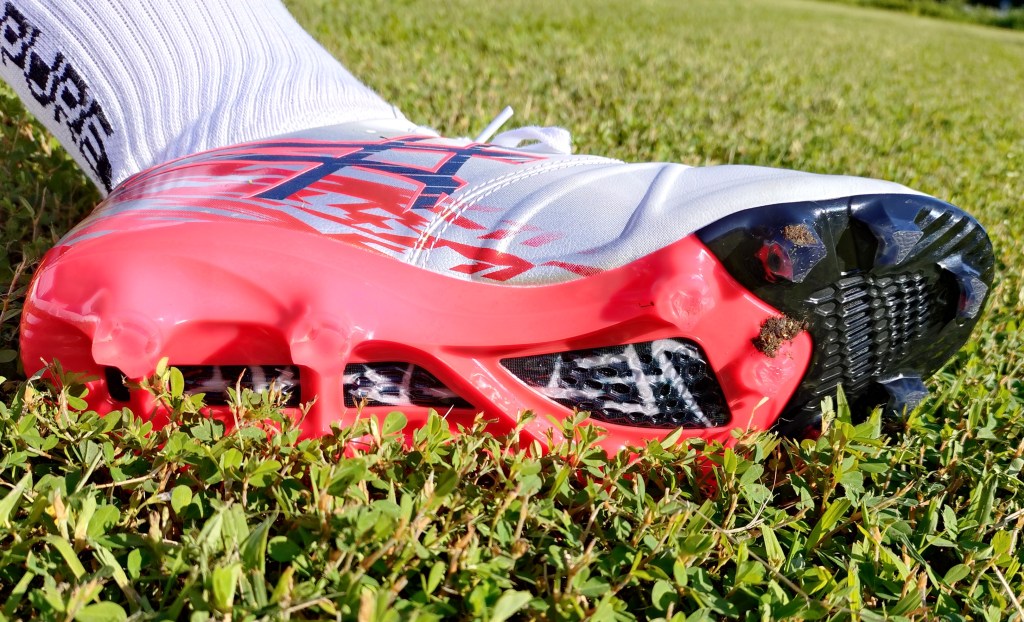
The ASICS Jetray Elite has the most grippy outsole I have come across in an ASICS boot. While it would be a stretch to say it is as grippy as a boot like Scudetta Kaizen, the Jetray does feel like a speed boot. At the same time, something that the Jetray excels at that other speed boots often do not is that there is plenty of pivoting power.
Many brands focus on straight-line speed or how the boot reacts when pushing off into a sprint, and a lot of speed boots can feel overly grippy when you are trying to turn out of tight spaces. The Jetframe soleplate strikes a nice balance between the two aspects.
The Jetframe is designed in a way that makes it easier to pivot or make a quick turn at speed without feeling stuck to the ground. So, while some straight-line grip is sacrificed to achieve this, I personally prefer the execution of the Jetframe outsole over some other speed boot outsoles on the market.
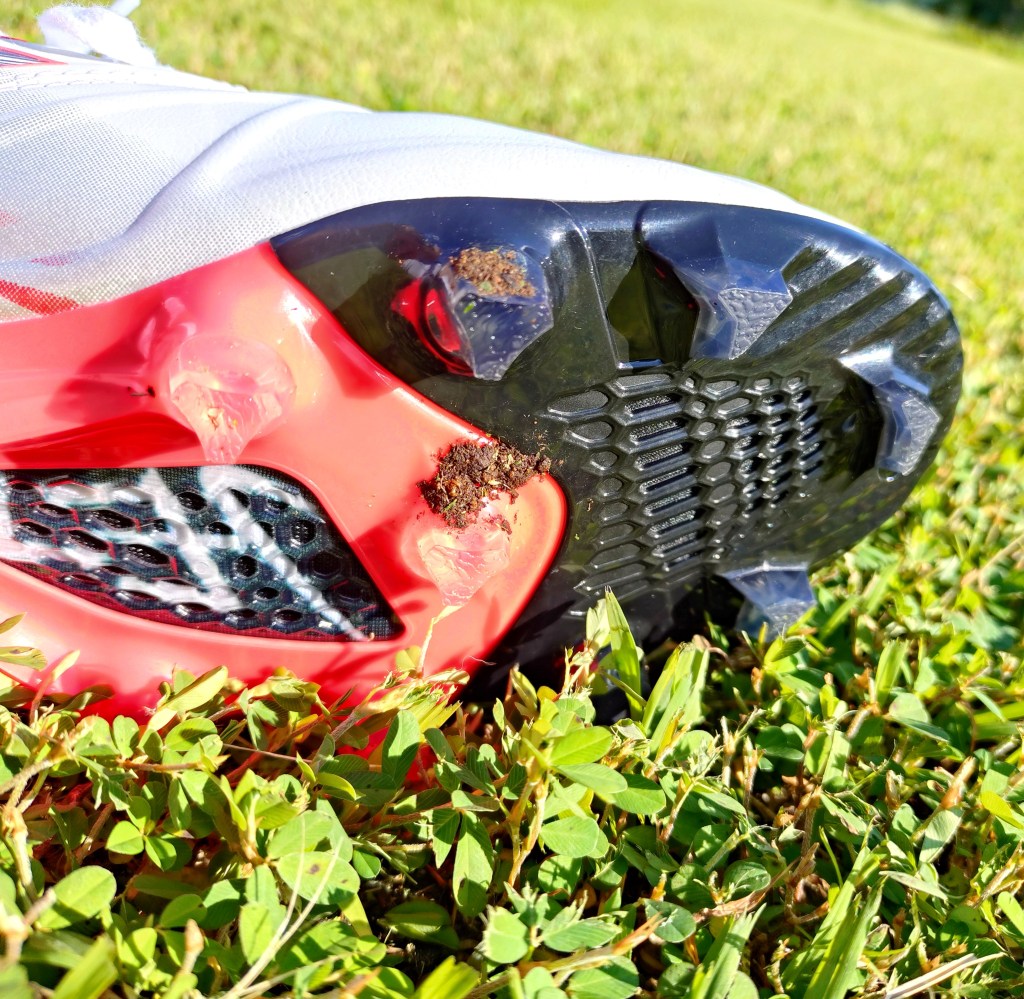
An additional positive of the soleplate is that there is some nice snapback on the soleplate. Again, while it is definitely not as aggressive as the Scudetta or Superfly 11, there is enough there to be noticeable when getting up on your toes in a sprint.
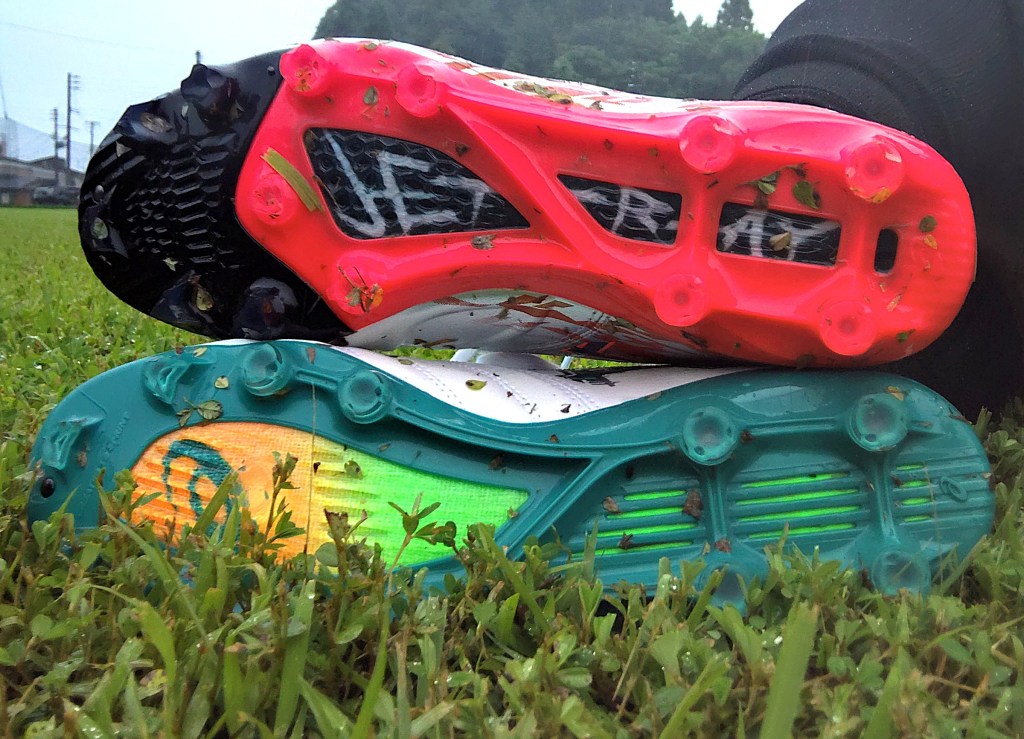
The design of the outsole helps with that nice snapback as the forefoot material is softer towards the outer part of the foot, while being stiffer down the middle. This helps the forefoot of the soleplate move more naturally with the foot while still giving that nice snap when sprinting.
Going back to the insole for a moment, it works well with the outsole to help distribute pressure. Even on AG, I have not felt any stud pressure in the boots, and they are a comfortable ride.
5mm vs 0mm outsole
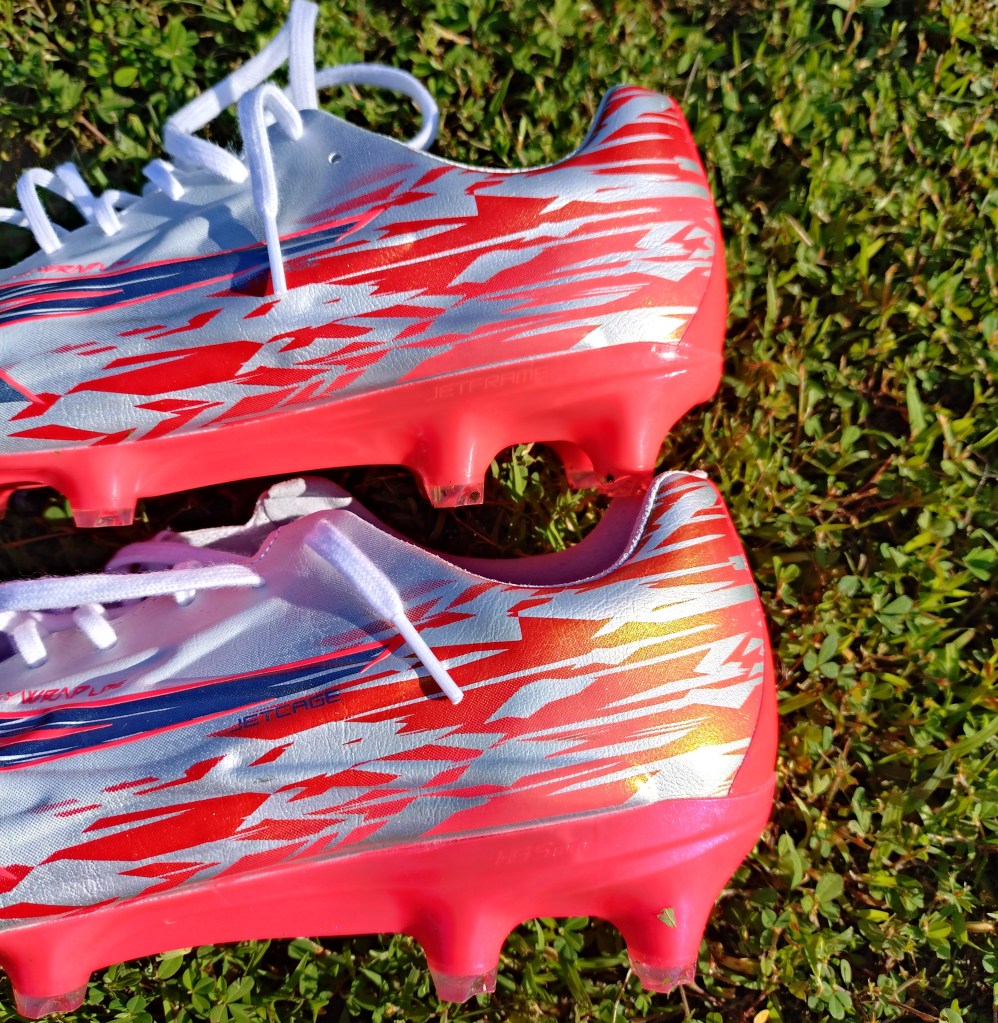
When I first started comparing both boots, just from my own bias, I was sure I would end up preferring the 0mm model, as I like to sit as close to the ground as possible.
To my surprise, throughout testing, I kept going back to the 5mm model, and it should be noted that the 5mm model is what I ended up wearing in my match.
I personally do not have the time or money to check on whether ASICS’ internal data science can be backed up with some of my own when it comes to the reduction of muscle fatigue and support for the tendons. The flip side of this is that ASICS is a mostly data-driven company, so I tend to err on the side of taking their published data more seriously than other brands.
What I can say is that the wedge does have the added benefit of giving extra comfort to the heel in terms of shock absorption. As you will know if you have read my work for long enough, I am very focused on how boots deliver when it comes to heel comfort and design. And ASICS is one of the few brands that consistently delivers.
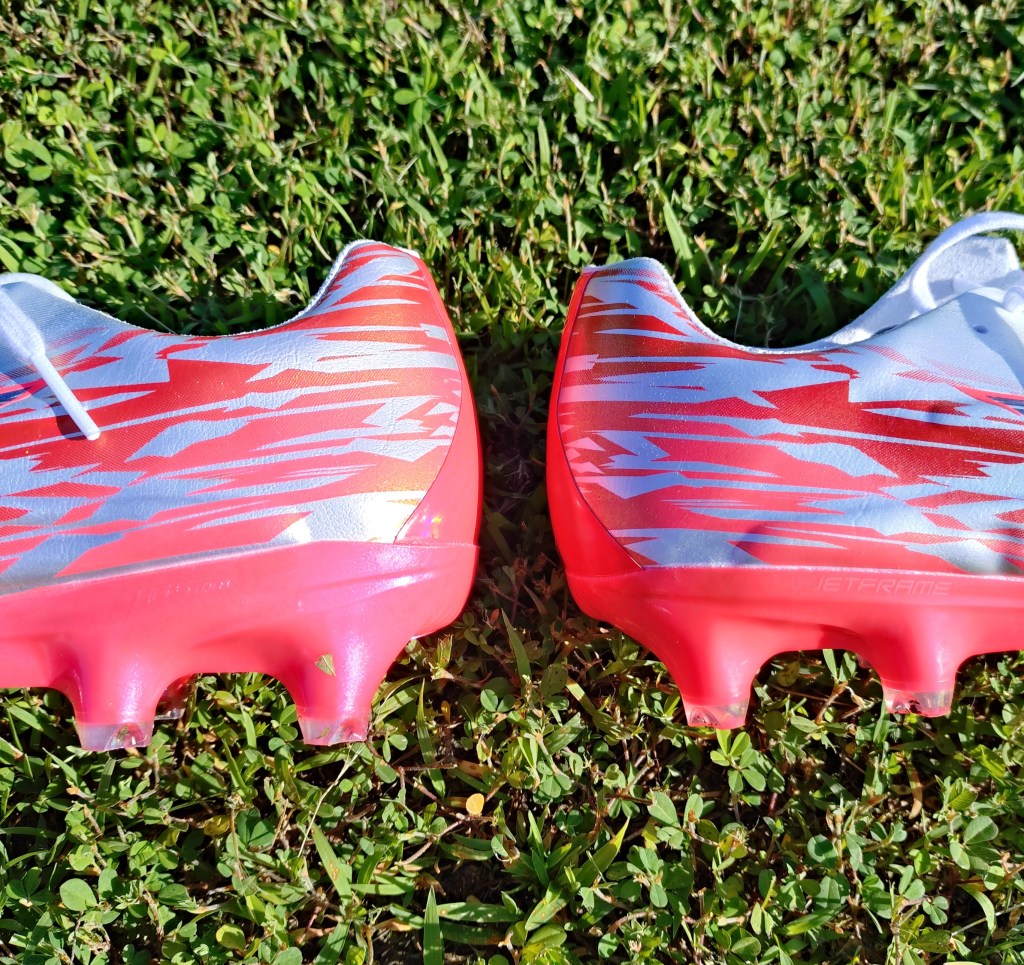
ASICS’ football boots often already have a slight curve to the outsole as the design inspiration comes from running shoes. In a running shoe, the foot often sits at a forward angle in order to put the foot in a ready position to propel the body forward. This is why ASICS shoes often have a slight curve to them and tend to already be put in a position to make it easier to rock forward into a run/sprint.
Many other boots on the market have a somewhat similar design in terms of how the foot is positioned, but this is often achieved by making the rear studs much taller than the forefoot studs. ASICS does a combination of both, and the additional 5mm wedge in the Jetray is supposed to help accentuate this positioning.
And again, while I do not have the data to back this up, the 5mm model feels better to run and sprint in than the 0mm variation.
It is still a tough choice to be fair, but I think the 5mm model offers enough of a benefit to be the preferred option. It also helps that the 5mm option will be the international model, and therefore easier to get a hold of, whereas the 0mm option is specifically for the Japanese domestic market.
It must also be mentioned that the 5mm model has slightly less volume than the 0mm model. This seems to be because the 5mm wedge pushes the foot into the upper a bit more.
ASICS Jetray Elite versus ASICS DS Light X Fly Pro 3 comparison
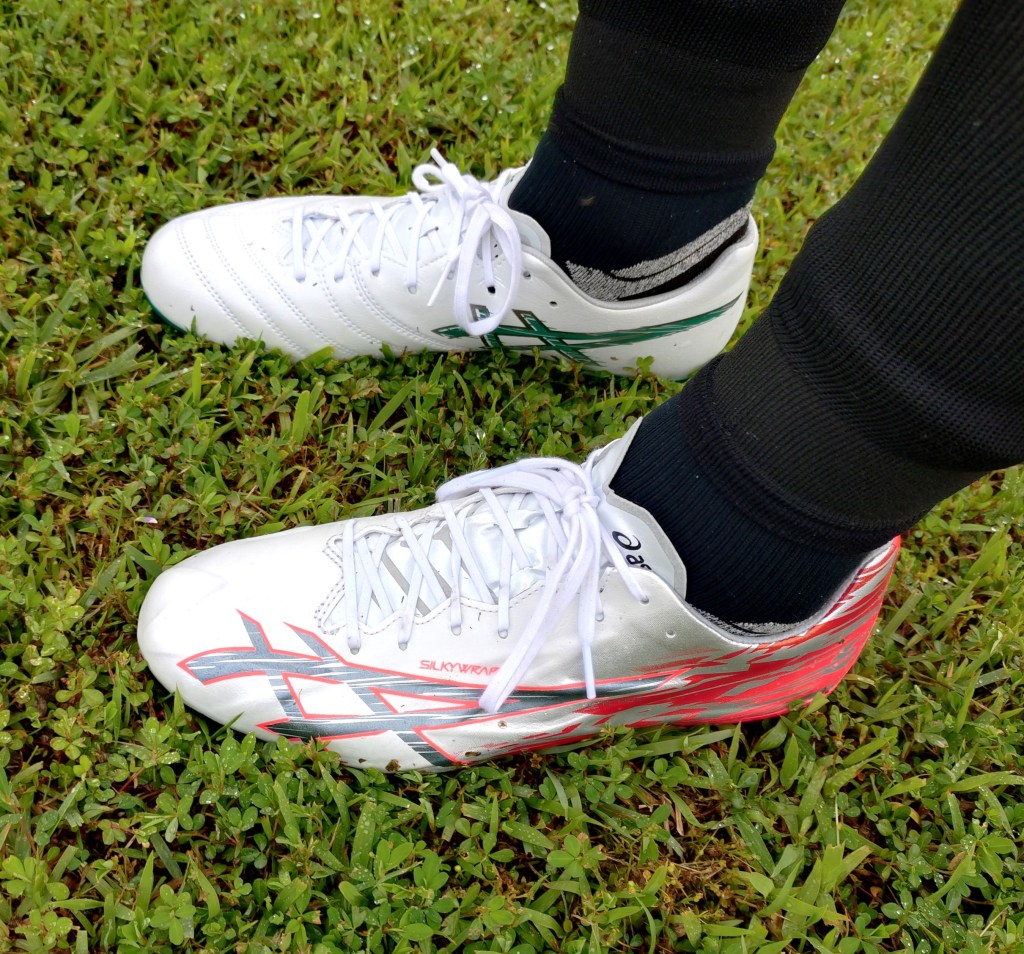
One of ASICS’ designers did specifically say that the Jetray Elite would replace the X Fly Pro 3; they did just release a new Pro 3 colourway, which somewhat muddies the waters. ASICS says they still regard the DS Light X Fly Pro 3 as a speed boot.
The short answer is to get both. The long answer is that while some of it, like the touch on the ball, comes down to preference, the Jetray does have higher performance. But there is some nuance here, as the DS Light X Fly Pro 3 still performs well; the Jetray is just that bit better.
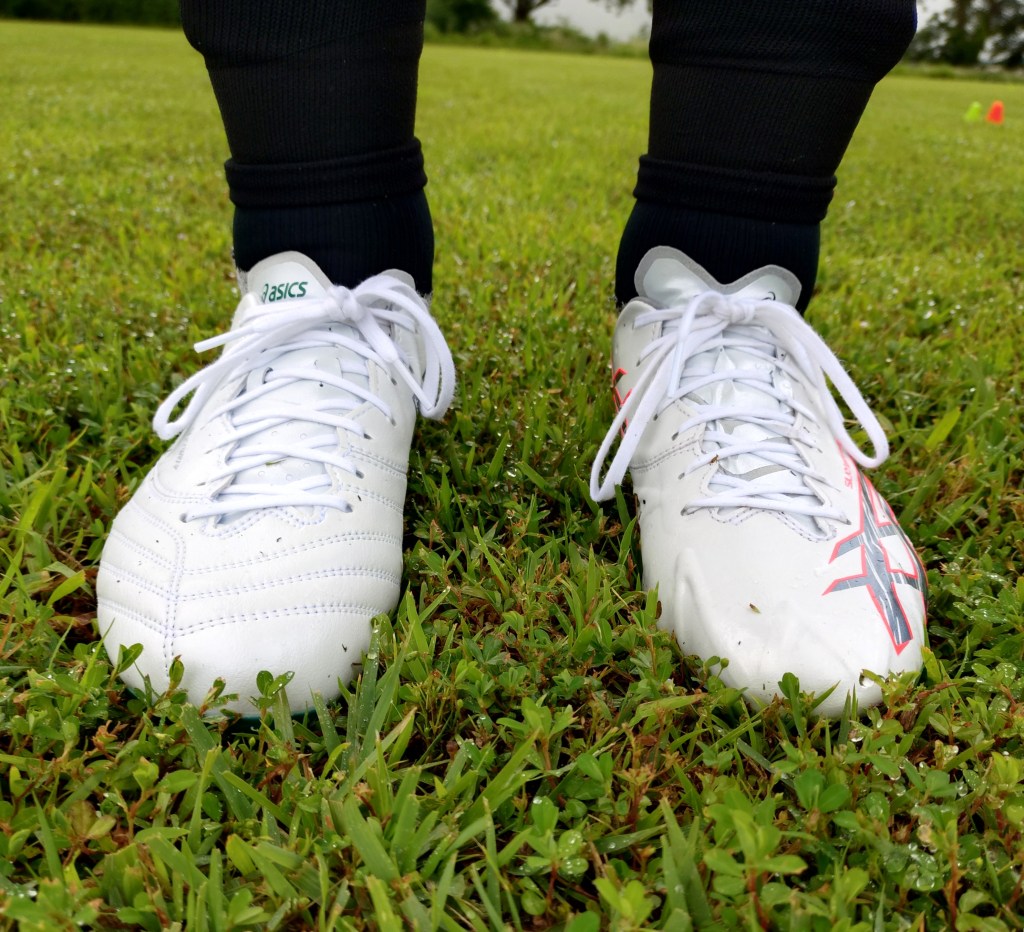
Between the two boots, the Jetray Elite is more of a speed boot in terms of aggressiveness, as well as the lockdown, snapback, and overall feel.
The Jetframe is more aggressive soleplate and offers more overall grip. While the Pro 3 has a grippier soleplate than one might expect, the Jetframe soleplate on the Jetray is a speedier evolution of this.
Having the Jetcage system also helps make the lockdown stronger in the Jetray. Which again, the lockdown is still good in the Pro 3; it is just stronger in the Jetray, particularly through the midfoot. The same also goes for the stability, as again the Jetray offers just that bit more structure when making a hard cut.
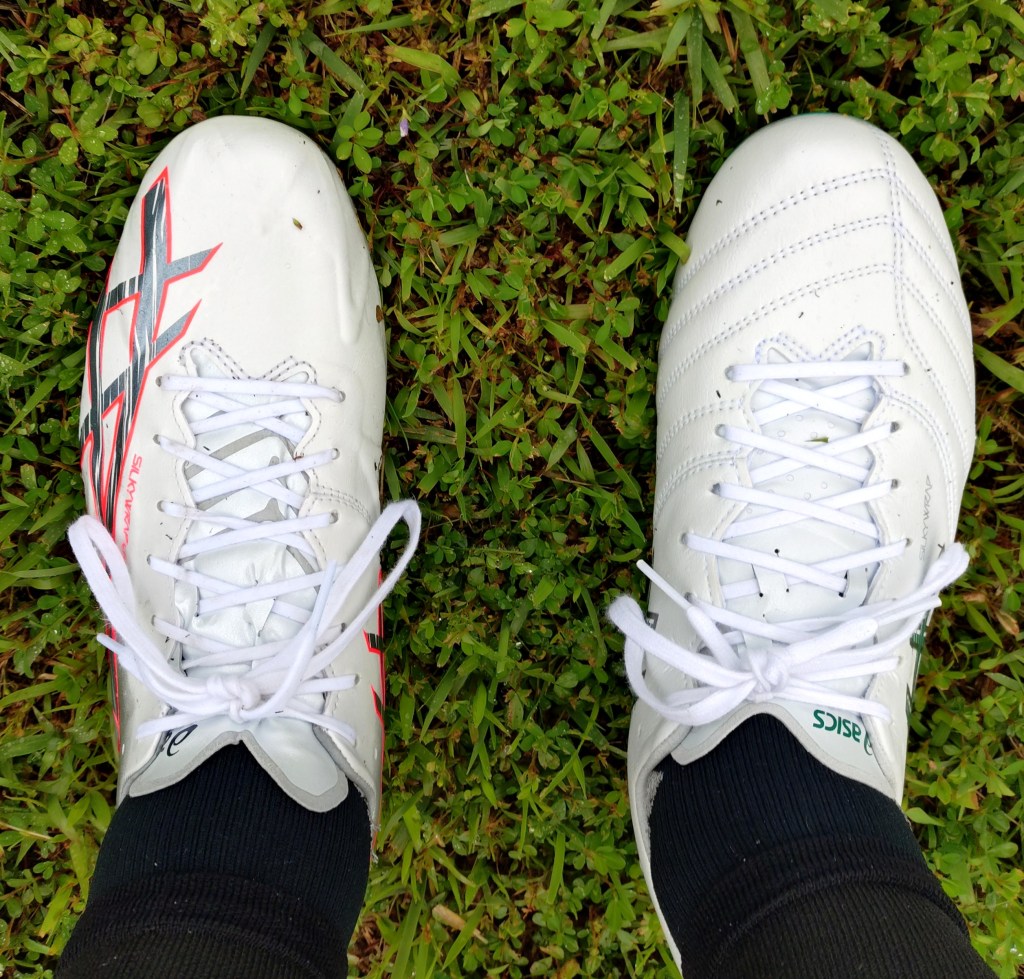
When it comes to the snapback, the Jetray wins out again. Like other areas, the Pro 3 is good, but just not as strong a sensation as what the Jetray offers.
However, something that could swing a decision one way or another is the touch on the ball. The Jetray has a thinner, closer feel to the ball because of the Silkywrap Lite upper. Whereas the X Fly Pro 3 has the regular Silkywrap, which is thicker and plusher.
Obviously, if you want a super close touch on the ball, the Jetray is the better option. Conversely, the Pro 3 will be closer to a natural upper boot feel for the touch, as the upper is plusher to the touch and has some slight cushioning.
Perhaps not unsurprisingly, the thinner upper of the Jetray has more overall volume than the X Fly Pro 3. It does make the Jetray more suitable if you have a wider or higher volume foot, yet at the same time, the deep lacing system means that there is not an issue with fit if your feet are medium to narrow, like mine. Again, I do wish there were less forefoot volume in the Jetray, but that is a personal thing.
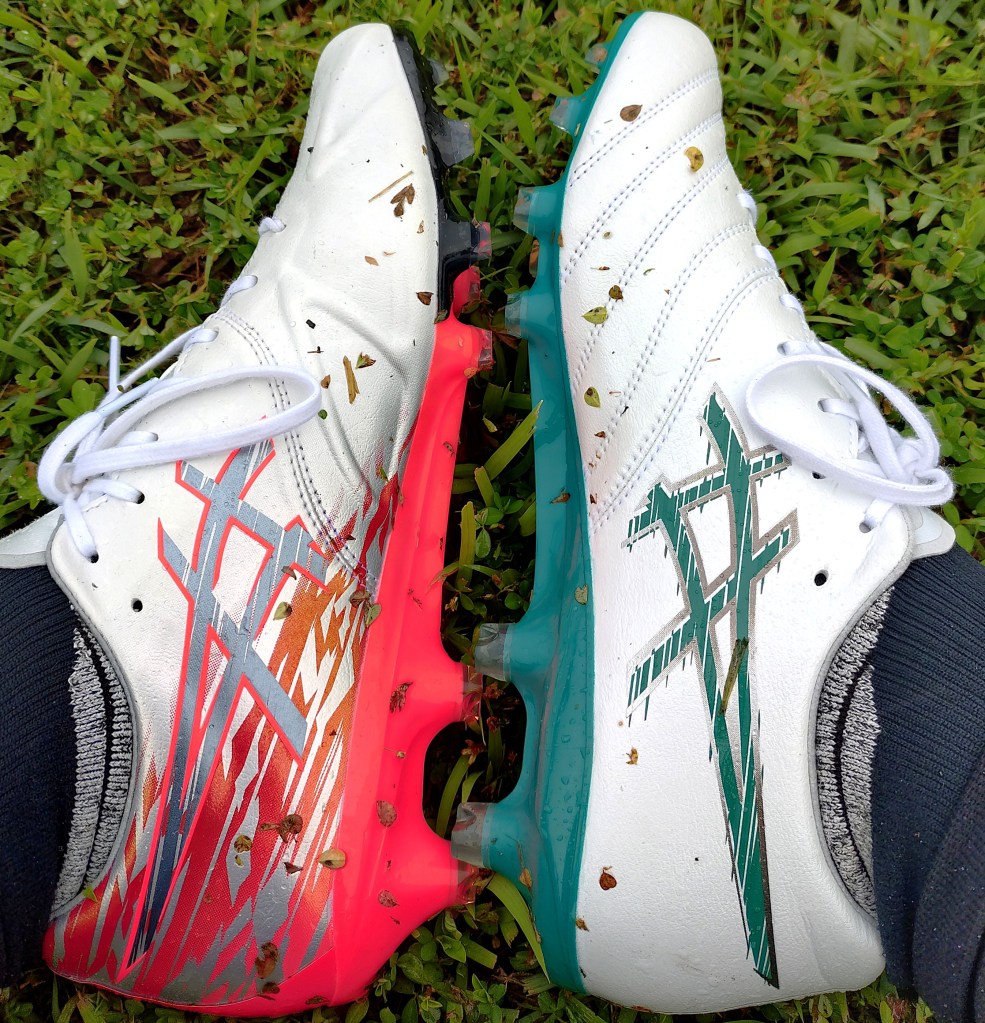
The Pro 3 does fit more snugly since the plusher upper fills out some of the forefoot. At the same time, the Pro 3 can still fit people with wider feet, it’s just that there is not as much volume as the Jetray Elite. The Pro 3 does fit me better overall because my foot is more of a medium to narrow width.
Overall, the Jetray Elite feels much closer to what one would expect a speed boot to feel like, and on feet, as well, it feels closer to the kind of feeling other speed boots might have.
As an addendum, I find myself preferring the fit of the X Fly Pro 3 overall. The increased volume of the Jetray Elite means it does not sit as flat across the top of the foot as I would like.
An excellent alternative speed boot
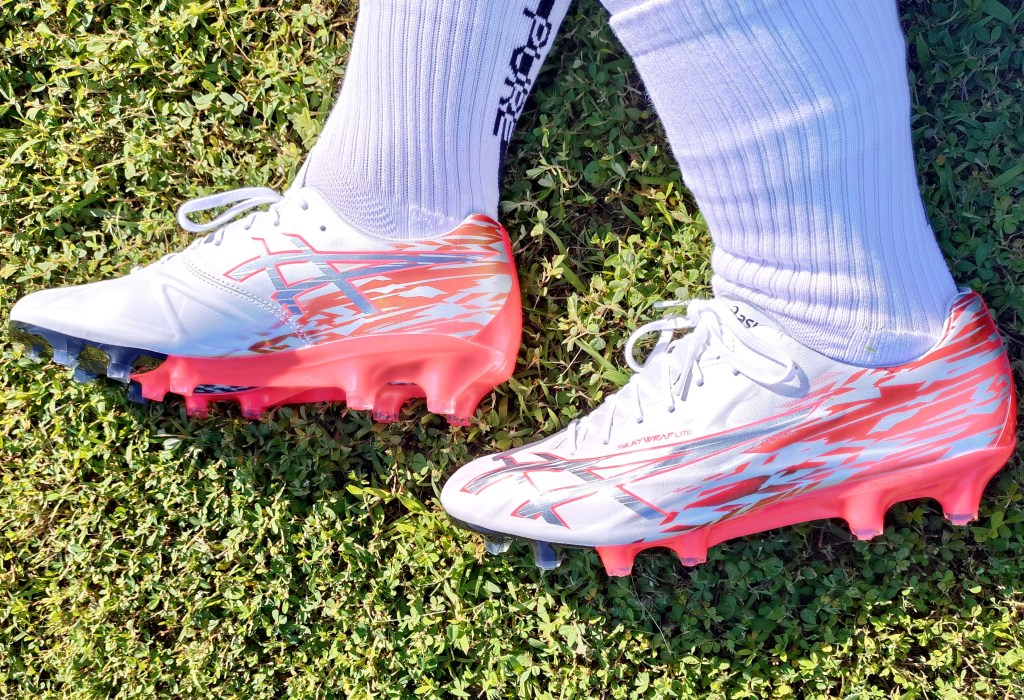
Maybe it is no surprise that I have lots of praise for the ASICS Jetray Elite. But when a boot is this good, it is difficult to not do so. It is great to have a boot feel like it has a super thin natural upper, and yet also has a very responsive and reactive soleplate. The touch on the ball is close; however, the boot still retains that natural feel, with the slight friction to the upper helping exude confidence on the ball.
There is some nice volume to the boot for those with wider or higher volume feet, yet the great lacing system ensures that various foot widths can get the fit they need in the boot. And I also appreciate that no one will have to sacrifice lockdown or stability to get the fit they want because of the Jetcage and how deep the lacing setup is.
Combine all of this with the fact that the Jetray Elite does not slack on comfort, especially with its best-in-class heel, and you have a boot that is ready to take on some of the bigger names on the market. It is one of the best alternative speed boots on the market, and a great option for those looking for something different.
What do you think of the ASICS Jetray Elite? Please share this with your friends and make sure to follow me on Instagram!
Also, check out the Football Boot Hour Podcast I co-host with Boot Wizard!
If you like this review, please consider supporting by buying me a Ko-Fi or making a donation through the Support The Blog sidebar!
I split my time between wearing HAVO Grip Socks and PureGrip Socks for training and matches.
Use code LOCKHART15 to get 15% off your HAVO Grip Sock order or click the link here: https://havosports.com/LOCKHART.
Use code lockhart for 10% off your entire PureGrip Socks order here: https://puregripsocks.com. Along with the socks, I also recommend the Pure laces and Pure Carbon 2.0 shin guards.
じゃあね!


Hey Andrew, to start off, your reviews are top notch, right up there with Boot Wizard and SR4U for me. Your reviews of ASICS and Mizuno boots are especially great as I feel like, since you live in Japan, you can offer a perspective that others cannot offer with Japanese brands. I wanted to ask, for you, which of these three boots are your favorite as a total package: The Jetray Elites, the DS Light X-Fly Pro 3’s, and the Neo IV/V Japan, non-betas. I’m coming off my Vapor 16s which, sadly, had some sole separation, and I am looking to buy a leather/synthetic boot. Now, I like a barefoot touch but don’t know how the Jetray Elites would compare to the Vapor’s touch. Which of the three would you recommend and, if possible, could you please describe you picked the best one. Thanks a lot.
P.S. Heartbreaking loss for Japan, they were right there, but Brazil just had a little too much in the end, still they put up a great fight and it was a wonderful goal from Sano.
Thanks again.
LikeLike
Hey, thanks for the kind words. In terms of barefoot touch, the Jetray is the best choice as it has the thinnest upper. The Neo V non Beta would probably have the best wrap around your foot experience, but the Jetray will have the most aggressive soleplate. I just think the Jetray offers more overall performance than the other options. Durability should be the best as well.
Yeah, it’s a shame. I don’t think Japan played that well, they were far too defensive and should have gone after Brasil’s weak spots.
LikeLike
Thanks a lot, I’ll probably pick up a pair of the Jetray’s when they drop here in the US. The heavy defense after going up 1-0 seems to be a common theme with a lot of countries that are facing stronger opponents, but yeah, they probably should have tried to throw some punches back in the second half. Thanks again, keep up the great work
LikeLike
Let me know how it goes. Yeah, true, but Japan was strong enough to attack imo
LikeLike
Hey, again. Do you think you could help me with the sizing of the boot. So as I said, I wear the Vapor 16s, I wear them in a size 11 US/ EU 45/ JP 29 and I have 7-8 mm / half a thumb’s width of extra space, to me, its not noticeable at all and if I would have went half a size down, the length would have been perfect, but my outside toes would have been crushed. Now, I also did try the Phantom 6 lows in a 10.5 and they were the perfect fit, as they are just that little bit wider in the toe box, no crushing of toes and the length was perfect, my foot was right at the edge with no dead space. I preferred the fit of the Phantoms much more, as I like a really tight fit. but I had already bought and used the vapors, so too little too late. My feet are 27.9 cm and are on the wider side but not overly wide, specifically in the mid-foot, and thats why I got a size 11 for the vapors as it would be “true to size” for Nike. Now I am confused with the ASICS sizing as If I were to go a half size down from my optimal size, it would be a size 10, which for ASICS sizing is true to size. If you could just give me some clarification on which size to get it would help tremendously.
Speaking of underdogs, if Japan showed as much hunger as Cabo Verde did against Argentina, they would have run away against Brazil. Absolute thriller of a game, and a banger of a second goal from the Cabo Verdean player.
LikeLike
Your feel measure at a 27.9 and you wear an 11? That’s massive. You don’t want more that much space at the front of your foot. A size 10 should be the size you wear for the ASICS. If you’re worried, get the 10.5, but there is plenty of adjustablility in the lacing set up allow you to get a good fit.
Agreed, Japan played with too much respect and fear. They didn’t trust themselves enough
LikeLike
Thanks for the review! Been eagerly awaiting it. How would the sizing compare with the asics ds light x fly 5? Are they similar? I’m in a 27.5cm (US 9.5) pair of ds light x fly 5’s and contemplating getting these.
They’re selling these on the Aus ASICS website for AUD $450 a pop, and limited one per customer. Some insane pricing! They have a line on the site saying it runs large and to go down half a size, but I never trust these recommendations. Your perspective will be 100x more accurate.
LikeLike
Thanks for reading! I wear the same size in both boots, which half size down from my normal size. The Jetray has a more rounded toe than the X Fly 5.
I saw that, that’s silly pricing, they’re like close to half the price here. Way too expensive. Like I said in the review, go half a size down from normal.
LikeLike
Wow. Thanks for the speedy reply! Too good mate 👌 Yeah I’ll probably wait to see if the price ever goes down or if a local Aus retailer will stock it and reduce prices. Hard to try on boots from Japanese brands because they generally don’t have them in stores and you have to buy direct online.
I don’t know why but for me generally I’m a solid 27.5cm across all brands, so maybe that’s a good thing?? Haha.
I’m curious to know if I’ll like the Silkywrap lite. I tried the silkywrap on the ds light x fly 6 and x fly pro 3 but I found them a bit stiff and tight compared with the step in comfort of the x fly 5 on first try. Just my musings. Keep up the good work!
LikeLike
You’re welcome. I know that TokyoFootball in Singapore has access to the Japanese market and is selling 0mm model for cheaper than the 5mm is in Aus. Yeah, seems like they’re difficult to come by down there.
Interesting, there are sometimes a few people like that.
Silkywrap Lite is slightly stiffer than regular Silkywrap. I will say, Silkywrap only really needs about 30 mins to feel really nice. Though obviously you can’t beat a good k leather.
Thank you.
LikeLike
Hi Andrew,
thanks for the great and detailed review.
I have noticed Asics Australia have 2 versions availabe the Jetray Elite and Jetray Pro both with 5mm heel lift the only difference seems the Silkywrap. The Elite has the Silkywrap lite and the Pro the standard Silkywrap. There also seems to a few minor finishing details.
Do you have any knowledge on any other differences between the two model?
It also seems the Pro model with the standard silkywrap is not available in Japan.
Thanks
LikeLike
Hey Tony,
Thanks for reading. Yeah, there are two models. You’re right, we don’t have the Pro model here in Japan. It seems like the Pro model doesn’t have the Jetcage go through the forefoot and that the soleplate is a one piece material instead the two pieces that the Elite has. I imagine this means the springback isn’t as strong in the Pro. The upper is probably not quite as nice as the Elite, I reckon.
LikeLiked by 1 person
Yes I can see the now Jetcage does not cover the forefoot.
Also apart from the Silkywrap like you noted sole plate and some other details do seem nicer on the Elite,
Thanks!
LikeLike
Yeah, just a few details here and there.
You’re welcome!
LikeLike